
Homemade blueberry sauce requires the preparation of fresh blueberries, sugar, lemon juice, and other ingredients, which can be completed through boiling and other steps. The main methods for making blueberry sauce include material selection, sugar control, boiling techniques, storage methods, and dietary recommendations.
1. Material selection
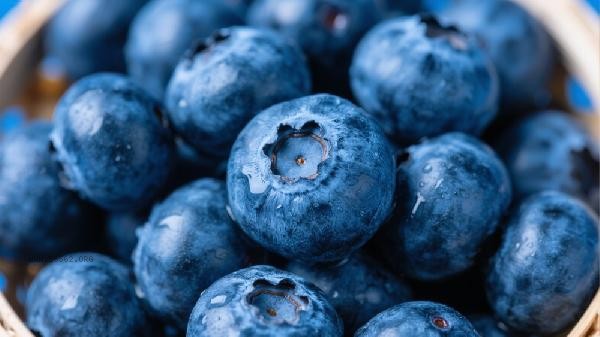
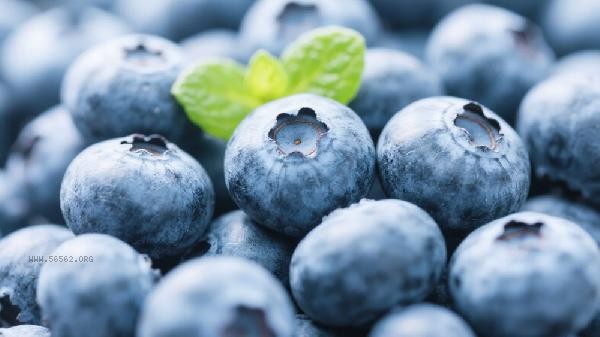
Choose plump and undamaged fresh blueberries, and gently rinse with running water to avoid skin breakage during cleaning. If using frozen blueberries, it is necessary to thaw them in advance and retain the juice that seeps out during thawing. After removing the fruit stem and impurities, you can choose to boil the whole piece or crush it slightly. Different processing methods will affect the taste of the finished product.
2. Sugar Control
The recommended ratio of sugar to blueberries is 1:4 to 1:2, adjusted according to the sweetness of blueberries. White sugar, rock sugar, or sugar substitutes can be used, and adding a small amount of salt can highlight the sweetness. Fractional sugar addition is helpful to control the consistency. diabetes patients can use erythritol and other sugar substitutes to make a low sugar version.
3. Cooking Techniques
Boil slowly over low heat to avoid sticking the bottom, and continue stirring to ensure even heating. Adding lemon juice can adjust acidity and help release pectin, and boiling to around 105 ℃ can achieve optimal viscosity. When testing with a wooden spoon, if the sauce can hang on the back of the spoon, it indicates completion. Excessive boiling can cause the color to darken.
4. Storage method
Hot fill into a sterilized glass bottle and immediately seal, invert to form a vacuum. Unopened refrigeration can store for 1 month, while freezing can last up to 3 months. Clean utensils are required for each use, and any mold or odor on the surface should be immediately discarded. Adding a small amount of vitamin C can extend the shelf life.
5. Suggested consumption
Blueberry sauce can be paired with yogurt, bread, or used as a baking filling, with a recommended daily intake of 30 grams. People with excessive stomach acid should avoid eating on an empty stomach, and those with allergies should try with caution. Homemade sauce without additives should be consumed as soon as possible, and if necessary, pasteurization treatment can be performed to extend the shelf life.
When making, pay attention to using fresh blueberries of the season and keep the utensils clean during the boiling process. Adjust the sweetness and thickness according to personal taste, and the blueberry sauce will become thicker after refrigeration. You can try adding spices such as vanilla pods or cinnamon to enhance the flavor, but you need to control the amount added to avoid masking the true taste of blueberries. Pay attention to whether there is any spoilage when consuming, and stop eating in a timely manner if any abnormalities occur.








Comments (0)
Leave a Comment
No comments yet
Be the first to share your thoughts!