
The key to preventing frozen dumplings from cracking is to control water loss and avoid sudden temperature changes. The main methods include adding salt when making dough, controlling the moisture content of the filling, applying water to the edges of the dumpling skin, pre cooling before freezing, and sealing for storage.
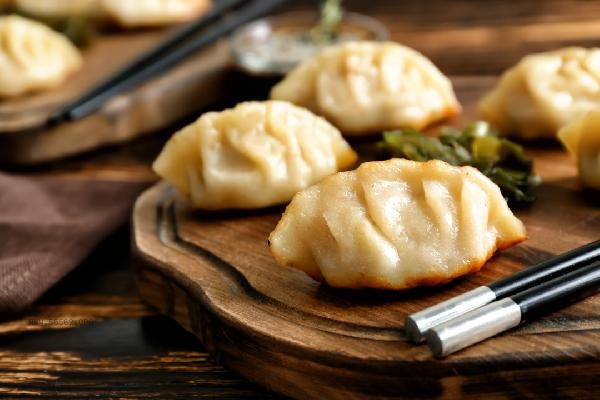
1. Add salt when kneading
Adding a small amount of salt to flour can enhance gluten elasticity. It is recommended to add 3 grams of salt per 500 grams of flour. Salt makes the dough more malleable and less prone to cracking when frozen. It is recommended to use ice water for kneading to slow down the fermentation rate of the dough and avoid cracking due to gas production during subsequent freezing.
2. Control the moisture content of the filling
Vegetable filling should be squeezed dry in advance, and meat filling should be stirred vigorously in the same direction. Filling with excessive moisture will expand and break the dough after freezing, and excess moisture can be absorbed by adding vermicelli or starch. Adding a small amount of cooking oil during filling can form a protective film and reduce juice leakage.
3. Apply water to the edges of dumpling wrappers
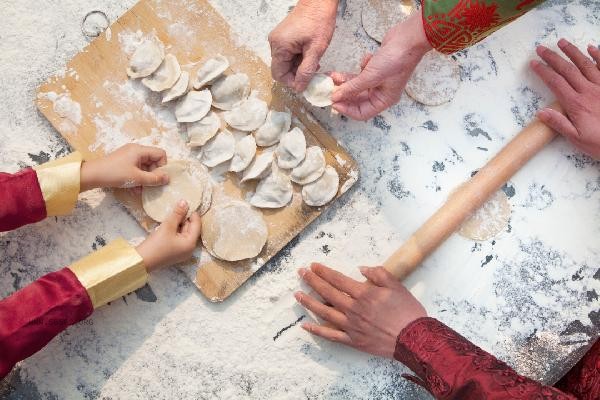
When making dumplings, moisten the edges of the dumpling wrappers with water about 1 centimeter wide to enhance adhesion. After kneading, gently press the seam with your fingers to release air and ensure that the dough is fully adhered. The wrapped dumplings should be left to stand for 10 minutes to allow the dough to balance the moisture, and then placed in the refrigerator for freezing.
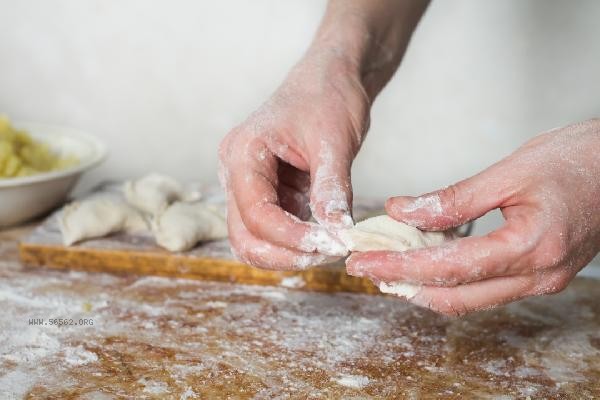
4. Pre cooling treatment before freezing
The pre packaged dumplings are spread flat on a tray sprinkled with thin powder and placed in the refrigerator compartment for 30 minutes to set. After the surface is slightly dry, transfer it to the freezer to avoid direct freezing that may cause excessive temperature difference and cracking. The tray should be kept level to prevent the dumplings from deforming.
5. Sealed storage
Dumplings that have been frozen and shaped should be placed in food grade sealed bags, and the bag should be tightly sealed after the air inside is expelled. Suggest packaging into single serving quantities to avoid repeated thawing. When storing, keep away from the inner wall of the refrigerator and keep the temperature below minus 18 degrees Celsius. It can be stored for 2-3 months.
After taking out frozen dumplings, there is no need to thaw them and they can be boiled directly in water. Adding a little salt to the water can prevent sticking to the pot. Regularly check the sealing during daily storage, and repackage if excessive frost crystals are found. When making dumplings, the thickness of the dumpling skin can be appropriately increased. For frozen dumpling skin, it is recommended to mix high gluten flour with wheat starch in a ratio of 7:3 to better resist low-temperature cracking. When storing, avoid contact with other foods with odors and keep the refrigerator clean to reduce temperature fluctuations.








Comments (0)
Leave a Comment
No comments yet
Be the first to share your thoughts!