
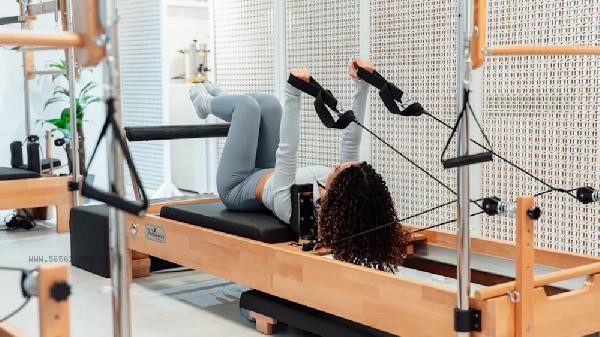
The main methods of fat burning and weight loss Pilates include adjusting breathing, core muscle group training, spinal flexibility exercises, equipment assisted training, aerobic combined training, etc. Pilates can effectively increase metabolic rate and reduce fat accumulation by controlling muscle contraction and breathing coordination.
1. Adjust Breathing
Pilates uses lateral breathing, where the ribs expand to both sides during inhalation and contract the deep abdominal muscles during exhalation. This breathing pattern can activate the transverse abdominis muscle, help maintain core stability, and improve oxygen utilization efficiency. During practice, you can lie on your back and bend your knees, place your hands on both sides of your ribs to feel the rhythm of your breathing, and repeat 10-15 breathing cycles per group.
2. Core muscle group training
Classic movements such as rolling and lifting the abdomen require keeping the chin slightly retracted and the lumbar spine touching the ground, slowly lifting the scapula through abdominal strength. The hundred tapping exercises require the legs to be in a tabletop position, with the arms swinging up and down in coordination with breathing, continuously stimulating the rectus abdominis and pelvic floor muscles. Maintain each movement for 30 seconds to 1 minute, taking care to avoid compensatory force from the neck.
3. Spinal Flexibility Exercise
Cat Cow Style: By alternating between arching and concave back movements of the spinal joints, rolling like a ball is achieved using core control to roll the spine section by section. This type of movement can improve local fat accumulation caused by body imbalance. Each group should complete 8-12 times, and the movements should be smooth and coherent.
4. Instrument assisted training
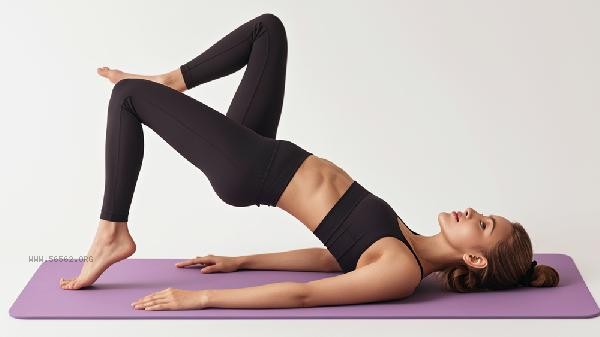
Use Pilates core beds for spring resistance training, such as the foot pedal series, to strengthen lower limb lines. The aerial folding action on the Cadillac rack can deeply stimulate the oblique muscle of the abdomen. The variable resistance provided by the equipment can accurately adjust the training intensity, and it is recommended to have 2-3 equipment classes per week.
5. Aerobic Combined Training
alternates Pilates with aerobic exercises such as brisk walking and swimming. A 30 minute composite training program can be designed, such as completing the Pilates core sequence in the first 15 minutes and intermittent aerobic exercises in the last 15 minutes. This combination can continuously improve fat burning efficiency while avoiding muscle loss.
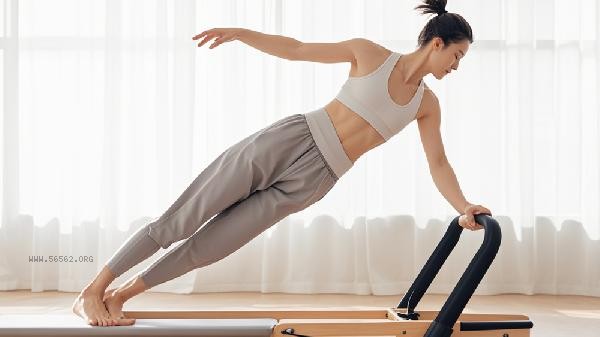
Persist in Pilates training 3-5 times a week, combined with a protein rich diet and sufficient sleep. Pay attention to replenishing fluids before and after training, and avoid practicing on an empty stomach. In the initial stage, one can learn movement patterns under the guidance of a professional coach and gradually establish neuromuscular control abilities. Individuals with higher body fat can increase the duration of aerobic exercise, but it is important to prioritize the quality of Pilates movements over quantity.








Comments (0)
Leave a Comment
No comments yet
Be the first to share your thoughts!