
Liposuction for weight loss may lead to various health risks, including infections, fat embolism, uneven skin, anesthesia complications, and rebound obesity.
1. Infection
Liposuction surgery wounds may cause bacterial infections, commonly manifested as redness, swelling, pain, and purulent discharge. The risk of infection is closely related to improper postoperative care, and antibiotics such as cefixime dispersible tablets, amoxicillin clavulanate potassium tablets, levofloxacin and sodium chloride injection should be used for prevention according to medical advice. Severe infection may progress to sepsis.
2. Fat embolism
During the surgical process, fat particles entering the blood vessels may cause embolism, ranging from mild respiratory distress and chest pain to severe cerebral infarction or pulmonary embolism. This situation is considered an emergency and requires immediate treatment with anticoagulant drugs such as low molecular weight heparin calcium injection. Preoperative assessment of coagulation function can reduce the probability of occurrence.
3. Uneven fat suction can cause bumps or wrinkles on the surface of the skin, which are more common in areas such as thighs and abdomen. Mild cases can be relieved through massage, while severe cases require secondary surgery for repair. Some patients may experience permanent skin sensory abnormalities.
4. Anesthesia Complications
General anesthesia may lead to malignant hyperthermia, arrhythmia, and other problems, and excessive local anesthetic may cause toxic reactions. Preoperative comprehensive evaluation of cardiovascular and pulmonary function is necessary, as patients with asthma or heart disease are at higher risk. Continuous monitoring of vital signs is required during the operation.
5. Anti elastic obesity
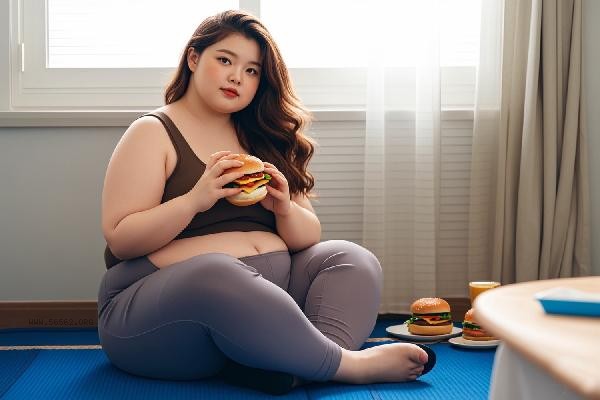
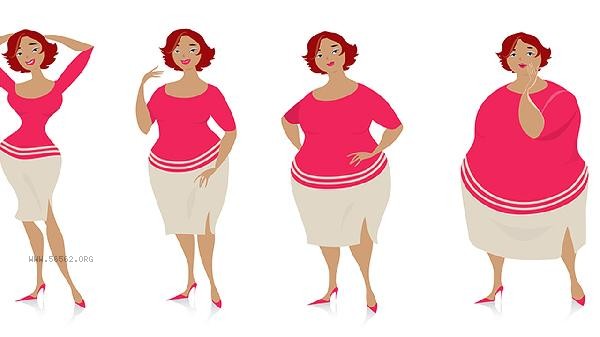
Liposuction only removes the number of fat cells rather than changes the metabolic mechanism. If not combined with dietary control and exercise, the remaining fat cell volume will increase compensatorily. Data shows that over 30% of patients have regained weight beyond their original weight within three years.
It is recommended to lose weight through a scientific diet and regular exercise. If surgery is needed, it is necessary to choose a reputable medical institution. After surgery, shapewear should be worn for 3-6 months, avoiding vigorous exercise, maintaining a low-fat and high protein diet, and regularly undergoing ultrasound evaluations to assess recovery. Obese patients can first try medical nutrition treatment, and if necessary, consider metabolic surgery instead of simply liposuction.









Comments (0)
Leave a Comment
No comments yet
Be the first to share your thoughts!