
Pain on the first night after thread embedding weight loss surgery is a common phenomenon, usually related to minor trauma or local stimulation at the thread embedding site. The degree of pain varies from person to person, and most can be tolerated and self relieved within 1-3 days.
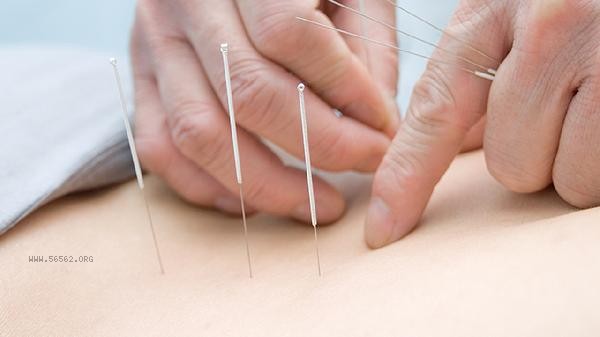
Thread embedding for weight loss is the process of embedding absorbable protein threads into specific acupoints and regulating metabolism through continuous stimulation. postoperative pain is mainly caused by mechanical stimulation of acupoints by the thread body, manifested as swelling or soreness in the buried thread area, which may worsen during movement. Pain is usually limited to the operating area and does not radiate to other areas. There may be slight redness, swelling, or bruising on the surface of the skin. This situation generally does not require special treatment and can be relieved by resting in bed and avoiding strenuous activities. For those with obvious pain, ice compress for 15-20 minutes is recommended. If there is persistent severe pain, burning sensation on the skin, or purulent discharge, be alert to infection or linear rejection reaction. This type of situation may be accompanied by symptoms such as elevated body temperature and local skin burning, and the pain may extend beyond the buried area. At this point, the buried wire should immediately stop coming into contact with water, keep it clean and dry, and promptly contact the operating physician to assess whether anti infective treatment or removal of the wire is necessary.
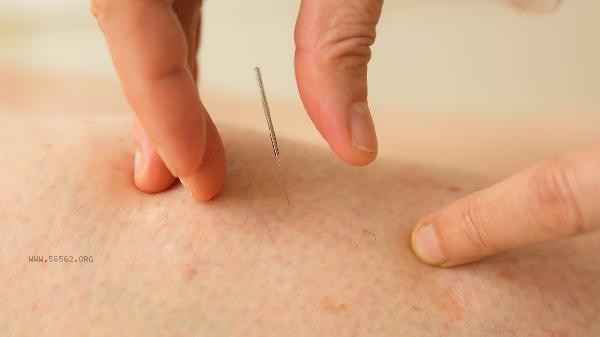
Avoid getting wet within 24 hours after embedding the thread, and do not take a bath or engage in vigorous exercise for 3 days. Diet should be light and avoid spicy and stimulating foods. Choose an institution with medical qualifications for operation, and follow the doctor's advice for postoperative follow-up. If the pain lasts for more than 5 days or is accompanied by other abnormal symptoms, it is recommended to go to the acupuncture and moxibustion Department or the Medical Cosmetology Department to check for complications.








Comments (0)
Leave a Comment
No comments yet
Be the first to share your thoughts!