
The fastest methods to remove walnut skin are soaking in boiling water and heating in an oven. The boiling water soaking method is suitable for scenarios where a large amount of walnut skin needs to be quickly removed. Boil walnuts in boiling water for about two minutes, then immediately rinse them with supercooled water. The thermal expansion and contraction will cause the walnut skin to separate from the kernels. At this point, gently rub them with your hands to peel them off. This method can preserve the complete shape of walnuts and is easy to operate without the need for special tools, but attention should be paid to controlling the water temperature to avoid burns. Walnuts treated with boiling water are recommended to be consumed as soon as possible or stored in refrigeration to avoid oxidation and spoilage caused by prolonged exposure. The
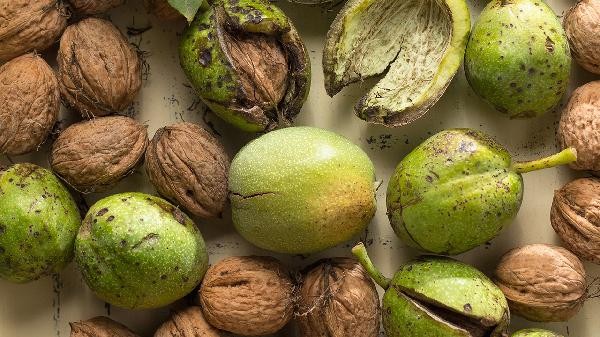
oven heating method is suitable for situations where efficiency is pursued and walnuts need to be dried. Spread the walnuts flat on a baking tray and bake at 150 degrees Celsius for five to eight minutes. After taking them out, wrap and rub them with a towel while they are still hot, and the outer skin will naturally peel off. High temperatures can cause the moisture in walnut peels to evaporate and become brittle, while also stimulating the nutty aroma, but close observation is necessary to prevent burning. After oven treatment, walnuts have a better texture and are suitable for making baked goods or long-term storage. It is recommended to wear heat-resistant gloves during operation to ensure safety. When processing walnuts, nut tongs can be used to assist in peeling, and selecting walnuts with clear textures can improve peeling efficiency. It is recommended to seal and store fresh walnuts in a cool place after peeling, avoiding direct sunlight that can cause the oil to spoil. It is advisable to control the daily intake within 20 grams, and those with yin deficiency, excessive fire, or indigestion should reduce their intake. If long-term storage is required, it can be frozen. After thawing, the taste may change slightly but most of the nutrients can still be retained.









Comments (0)
Leave a Comment
No comments yet
Be the first to share your thoughts!