
Extreme weight loss methods may cause serious harm to the body and are not recommended to try. Healthy weight loss should be achieved through a balanced diet and moderate exercise. Extreme methods may lead to malnutrition, metabolic disorders, and even organ damage.
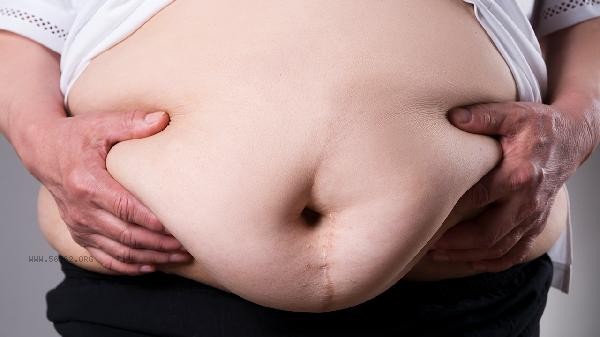
Rapid weight loss methods are usually based on extreme calorie restriction or excessive energy expenditure, which may lead to weight loss in the short term, but the loss is mostly water and muscle rather than fat. Long term use of such methods may cause problems such as hypoglycemia, electrolyte imbalance, and menstrual disorders. Some extreme weight loss methods require complete fasting or only consuming a single food, which can lead to vitamin and mineral deficiencies, affecting immune function and cognitive ability. Excessive exercise combined with a very low calorie diet may induce rhabdomyolysis, which can lead to acute kidney failure in severe cases. Extreme weight loss may also trigger eating disorders such as overeating, forming a vicious cycle of weight rebound.
Scientific weight loss recommendation: Weight loss should not exceed one percent of body weight per week, by increasing intake of vegetables, fruits, and high-quality protein to replace high sugar and high-fat foods, combined with aerobic exercise and strength training to improve basal metabolic rate. Establishing regular sleep habits can help regulate levels of leptin and ghrelin, reducing unnecessary appetite fluctuations. During the weight loss process, regular monitoring of changes in body fat percentage and muscle mass should be conducted to avoid solely pursuing weight loss. If there are underlying metabolic disorders or professional guidance is needed, it is recommended to develop personalized plans under the supervision of a nutritionist.








Comments (0)
Leave a Comment
No comments yet
Be the first to share your thoughts!