
The correct storage methods for bread mainly include sealed storage at room temperature, refrigerated storage, frozen storage, vacuum storage, and packaged storage.

1. Room temperature sealed storage
Fresh bread can be stored at room temperature for 2-3 days, and it needs to be sealed in a fresh-keeping bag or box to isolate the air. Bread with high sugar and oil content has a slightly longer shelf life, and it is recommended to consume non additive bread such as baguettes within 24 hours. Be careful to avoid mixing with foods with high water content to prevent mold growth. It is recommended to choose food grade materials for storage containers and avoid using ordinary plastic bags for long-term storage.
2. Refrigerated storage
4 ℃ refrigeration can extend the shelf life to 3-5 days, but it will accelerate starch aging and cause the taste to harden. Suitable for bread with perishable fillings such as cream and cheese. Wrap with tin foil before refrigeration to prevent moisture loss, and use an oven to reheat at 150 ℃ for 3 minutes before consumption to restore crispness. It is not recommended to refrigerate bread such as baguettes and croissants that require a crispy texture.
3. Cryopreservation
Freezing at 18 ℃ can preserve bread for 2-3 weeks, maximizing its quality. Slicing and packaging for freezing makes it easier to access and avoids repeated thawing. Before consumption, there is no need to thaw. Simply put it in a 180 ℃ oven and bake for 5-8 minutes. Berries, toast, etc. are suitable for freezing, but the taste of sandwich bread may be affected after freezing.
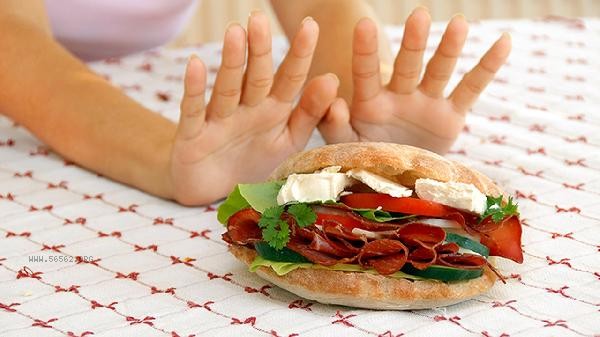
4. Vacuum preservation
Vacuum treatment can isolate oxygen and extend the shelf life to about 7 days at room temperature, suitable for whole toast or European buns. Be careful not to crush the bread when operating the vacuum packaging machine, and consume it as soon as possible after opening. This method has a high cost and can be used in conjunction with deoxidizers to enhance the preservation effect.
5. Packaging and Preservation
It is recommended to package large portions of bread as needed to reduce exposure to air. Each serving should be consumed for 1-2 days, separated by oil paper and placed in a sealed bag. Pay attention to cleaning the operating table during packaging to avoid secondary pollution. This method is particularly suitable for the preservation and management of homemade bread at home.
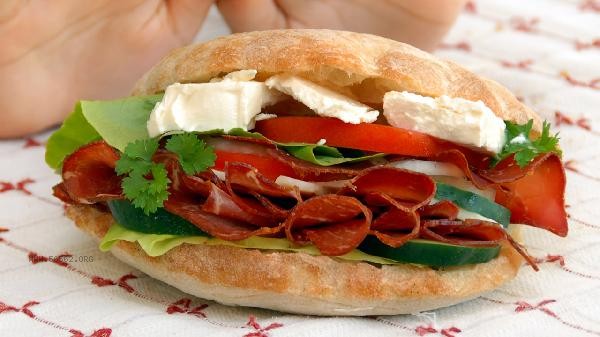
When storing bread, it is necessary to choose the appropriate method according to the type. Bread containing perishable fillings such as meat floss and sausages is recommended to be frozen first. Regardless of the method used, ensure that the container is clean and dry, and avoid contact with odorous items. Before consumption, pay attention to checking for mold growth. If green and white mold spots appear, discard the entire portion. Bread can be stored in a cool and dark place in daily life, as high temperature and high humidity environments can accelerate spoilage. When eating with milk, soybean milk and other drinks, it is recommended to heat the bread properly to improve digestion and absorption.








Comments (0)
Leave a Comment
No comments yet
Be the first to share your thoughts!