
The correct way to add raisins to bread is to soak and soften the raisins in advance, then mix them evenly into the dough, or sprinkle them directly on the surface of the formed bread to bake. The key operating points for raisins are soaking in warm water before use, adjusting the moisture content of the dough, controlling the baking temperature, coordinating the proportion of ingredients, and preserving the finished product.
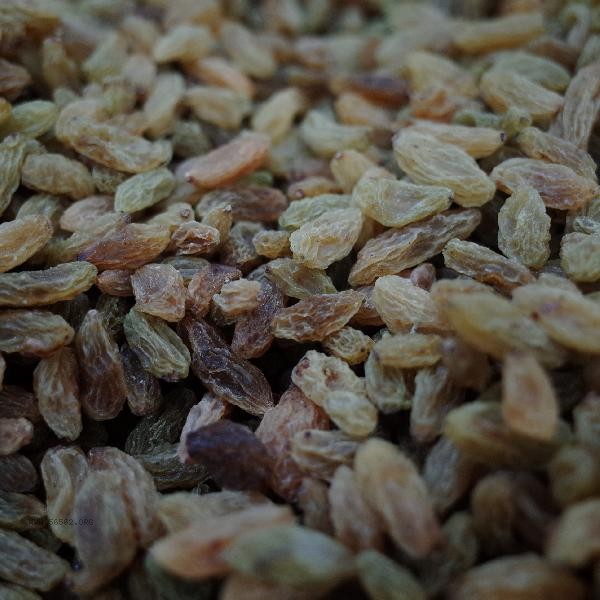
1. Soaking and softening
Raisins have a harder texture and can be directly added to the dough, which may cause local dryness or baking coking. It is recommended to soak it in warm water for 10 minutes to absorb water and soften it. After draining, mix it with flour to improve the uniformity of the taste. A small amount of rum or lemon juice can be added to the soaking water to enhance the flavor layer, but the total amount of liquid should be controlled to avoid the dough being too wet.
2. Adjust the water content
Raisins have a high sugar content and are prone to absorbing moisture, so it is necessary to add about 5% liquid on the basis of the original formula. If making dough with strong water absorption such as whole wheat bread, you can first mix raisins with some liquid and let it stand to balance the moisture before kneading the whole dough. Excessive water addition can cause the dough to stick to the hands and difficult to form.
3. Temperature controlled baking
Raisins containing fructose are prone to carbonization at high temperatures. It is recommended to lower the baking temperature by 10 ℃ and extend it by 5 minutes compared to regular bread. The surface decoration of raisins can be covered with tin foil to prevent burning. When using a wind oven for baking, attention should be paid to the circulation of hot air, which may cause the raisins to shift. You can first bake and shape them before sprinkling surface decoration.

4. Proportion coordination
It is recommended to control the amount of raisins added within 15% of the flour weight, as excessive amounts can affect gluten formation. When paired with nuts such as walnuts, it is necessary to reduce the addition of sugar. When making salty bread, you can first soak raisins in salt water to remove some sweetness, and then combine them with ingredients such as olives and rosemary.
5. Storage points
Bread containing raisins has a short shelf life, and it is recommended to seal and freeze it for storage. The hygroscopic properties of raisins can easily cause bread to regain moisture, so oil paper should be used to isolate water vapor during refrigerated storage. Spraying a small amount of water during re baking can restore softness, but it should be noted that raisins may become hard. Microwave heating for 10 seconds can improve taste. When making raisin bread, the process needs to be adjusted according to the type of flour. High gluten flour can withstand more raisin addition, while low gluten flour needs to reduce the proportion. Natural yeast bread has a long fermentation time, it is recommended to add raisins later to avoid excessive fermentation. Diabetes patients can choose natural raisins without sugar stains, and match with flaxseed and other ingredients to balance blood sugar reaction. Regardless of the method used, freshly baked bread should be cooled to room temperature before slicing to avoid raisins sticking to the knife and affecting its appearance.








Comments (0)
Leave a Comment
No comments yet
Be the first to share your thoughts!