
Persimmons can be eaten raw, but it is important to choose fruits with appropriate maturity and control the amount consumed. Immature persimmons contain a high amount of tannic acid, which may cause gastrointestinal discomfort.

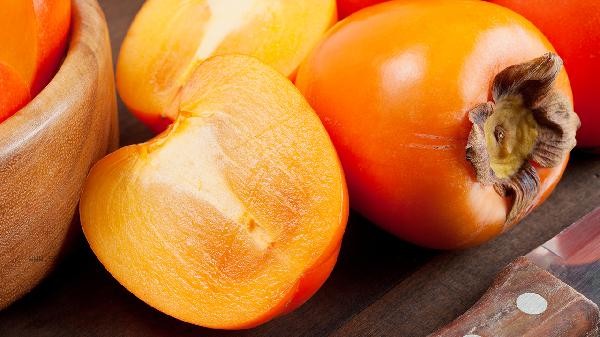
When eating persimmons raw, mature fruits with orange red skin and slightly soft texture should be selected. This type of persimmon has a low tannic acid content, a clear and sweet taste, and is not easily astringent. Rinse the skin with running water before consumption to remove surface pesticide residues and dust. Peeling for consumption can further reduce the intake of tannic acid, and the flesh can be consumed directly or cut into pieces and paired with yogurt.
It is not advisable to consume large amounts of raw persimmons on an empty stomach, as tannic acid may combine with stomach acid to form hard lumps. People with weak gastrointestinal function may experience symptoms such as bloating and acid reflux. It is recommended to consume a small amount one hour after meals. Patients with diabetes need to pay attention to the high sugar content of persimmon, and it is appropriate to eat no more than 100 grams of persimmon at a time. If discomfort such as numbness in the tongue occurs after consumption, immediately stop eating and drink warm water.

Persimmons can be stored in a cool and ventilated place for natural ripening, avoiding direct sunlight to accelerate decay. Eating fruits rich in vitamin C, such as oranges, can help promote iron absorption. Special populations such as pregnant women and patients with gastrointestinal diseases are advised to consult a physician before consumption. If there are persistent symptoms such as abdominal pain and vomiting, it is necessary to seek medical attention in a timely manner. Mature persimmons can also be frozen to make smoothies, or mixed with apples, pears, and other fruits to make fruit salads for a rich taste.








Comments (0)
Leave a Comment
No comments yet
Be the first to share your thoughts!