
Tea tree oil is generally not recommended to be taken orally directly. The correct usage method is mainly for external use, such as skin application, aromatherapy, or local cleansing. The main uses of tea tree oil include skin care, antibacterial and anti-inflammatory properties, and relief of minor injuries. It should be diluted before use to avoid irritation.
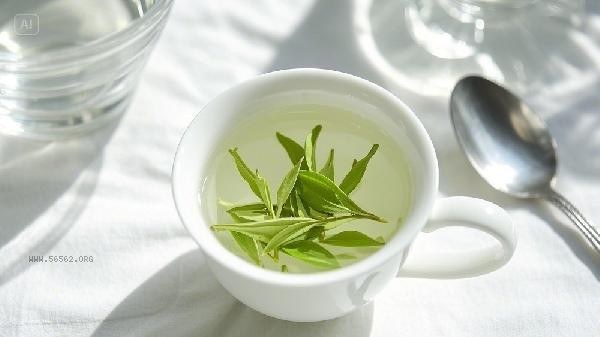
Tea tree oil is a volatile essential oil distilled from Australian tea leaves, containing active ingredients such as terpenes and tetraalcohols, and has natural antibacterial properties. Direct oral administration may irritate the gastrointestinal mucosa, leading to adverse reactions such as nausea and vomiting. When used topically, 1-2 drops of tea tree oil should be diluted with base oil in a 1:10 ratio. It can be used for spot application on acne prone areas, application on athlete's foot, or added to warm water for sitz baths. When used for aromatherapy, use 3-4 drops every 5 square meters of space to help purify the air through aroma enhancement. Attention should be paid to avoiding contact with the eyes and mucous membranes. Pregnant women, infants, and those with allergies should use with caution. In rare special cases, food grade tea tree oil may be used for oral care under the guidance of a professional physician, such as adding it to mouthwash to assist in relieving gum inflammation. However, most of the tea tree oil sold on the market does not meet food grade standards, and there is a risk of poisoning if taken orally without authorization. Before use, it is necessary to conduct a skin test. Apply the diluted oil to the inside of the wrist and observe for 24 hours without redness, swelling, or itching before continuing to use.
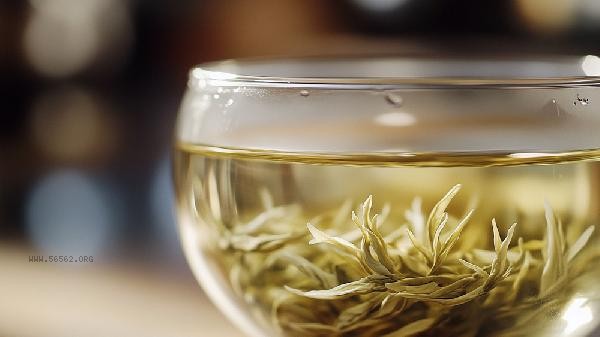
For daily use of tea tree oil, it is recommended to choose products packaged in dark glass bottles and store them in a cool and dark place to maintain the stability of the active ingredients. If it is used for skin problems for more than a week without improvement, or if there is discomfort such as rash or burning sensation, it should be stopped immediately and medical attention should be sought. Paired with mild essential oils such as lavender oil can reduce irritation, but it should not be mixed with mineral oil products to avoid affecting absorption efficiency.









Comments (0)
Leave a Comment
No comments yet
Be the first to share your thoughts!