
The correct storage methods for live crabs mainly include low-temperature refrigeration, humid environment, isolated storage, avoiding squeezing, and timely consumption. Live crabs are prone to death and spoilage, and improper storage can affect their taste and safety.
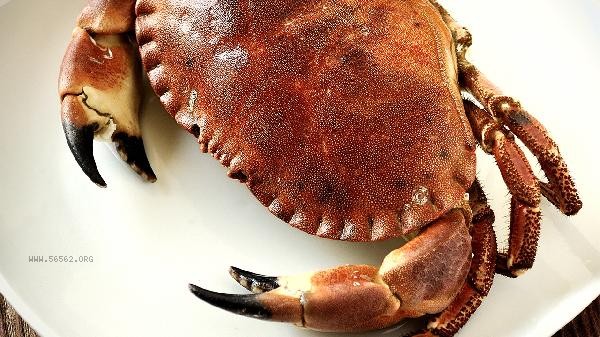
1. Low temperature refrigeration
Place live crabs in a breathable container, cover them with a wet towel, and place them in the refrigerator compartment with a temperature controlled at 5-10 degrees Celsius. Low temperature can reduce crab metabolism and prolong survival time. Be careful not to freeze, as freezing can cause crab death and deterioration of meat quality. The refrigeration time should not exceed 2 days, and it is recommended to consume it as soon as possible.
2. Moist Environment
Keeping the crab shell moist is key, which can be wrapped in a damp towel or newspaper, or placed in a shallow water dish. The water depth should not exceed the height of the crab's feet to avoid suffocation. Regularly check the humidity to prevent moisture evaporation from causing dryness. A humid environment can maintain the natural survival state of crabs and reduce stress reactions.
3. Isolation Storage
Crabs should be stored separately to avoid contact with other seafood or food. Different species of crabs also need to be separated to prevent mutual attacks and damage. Choose bamboo or plastic baskets with good breathability as containers to ensure air circulation. Isolation and storage can reduce bacterial cross contamination and limb damage.

4. Avoid squeezing
When storing, do not stack too many crabs, each one should have enough space for movement. Excessive squeezing can cause the shell to rupture, limbs to break, and accelerate death and decay. During transportation, handle with care to minimize mechanical damage. A complete shell is an important condition for ensuring the freshness of crabs.
5. Timely consumption
The shorter the storage time of live crabs, the better. It is recommended to consume them within 24 hours after purchase. Dead crabs can rapidly breed bacteria, produce harmful substances, and are not edible. Before cooking, it is necessary to confirm the vitality of the crabs again, and dead crabs should be discarded. Fresh crabs have firm and delicious meat, with higher nutritional value.
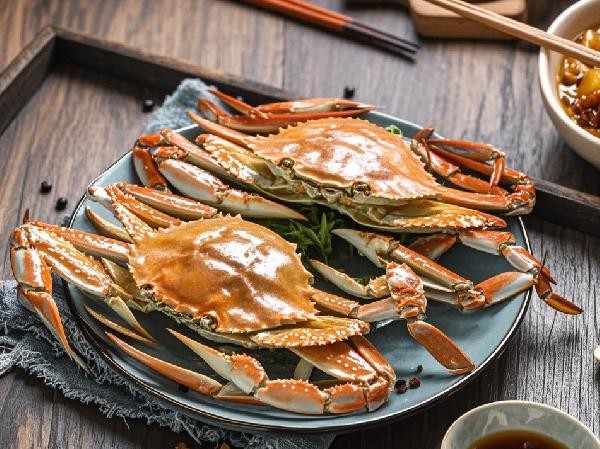
When storing live crabs, attention should be paid to their activity status, and crabs with decreased vitality should be prioritized for consumption. Before cooking, rinse the outer shell with clean water, but do not soak it for a long time. Steaming is the most effective way to preserve freshness, steam for 10-15 minutes after the water boils. When consumed with ginger vinegar juice, it can neutralize coldness. People with weak gastrointestinal function should not consume it excessively. When purchasing, choose individuals with strong vitality and hard shells to ensure freshness. Live crabs are rich in high-quality protein and trace elements, but they belong to high purine foods. Gout patients need to control their intake.








Comments (0)
Leave a Comment
No comments yet
Be the first to share your thoughts!