
Frozen dumplings can be steamed directly, but the steaming time and heat need to be adjusted to ensure taste. The key to steaming frozen dumplings lies in thawing treatment, water control, selection of steaming equipment, and steaming time.
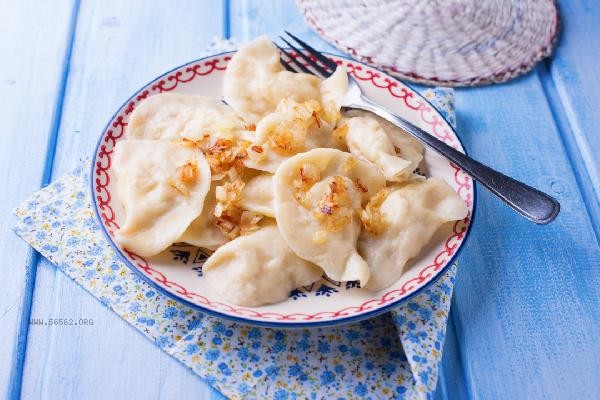
1. Thawing Treatment
Frozen dumplings do not need to be completely thawed, but they need to be taken out and warmed to room temperature 10 minutes in advance. Directly steaming frozen dumplings can easily cause the outer skin to become soft and the inner filling to become cold. A slight reheating can make the dough and filling more evenly heated. If time is tight, you can quickly rinse the surface of the dumplings with cold water for 30 seconds, remove the ice crystals, and immediately put them on the pot.
2. Water Control
The water volume of the steamer should be kept at a depth of 1.5-2 centimeters. If it is too high, boiling water will splash and wet the bottom of the dumplings, while if it is too low, it may dry up the cookware. Suggest adding a small amount of cooking oil or scallions to the water, which can prevent sticking to the pot and add fragrance. When using a bamboo steamer, it is necessary to wet and wring out the steamer cloth before laying it out.
3. Selection of Steaming Equipment
Stainless steel steamers should be paired with silicone pads or cabbage leaves to prevent sticking, while ceramic steaming bowls are suitable for steaming small amounts but need to be extended for 3 minutes. The traditional bamboo steamer has the best breathability, which can evenly heat the dumpling skin without accumulating water or steam. Avoid using a microwave oven specific steaming box, as a sealed environment can cause frozen dumpling wrappers to absorb water and harden.
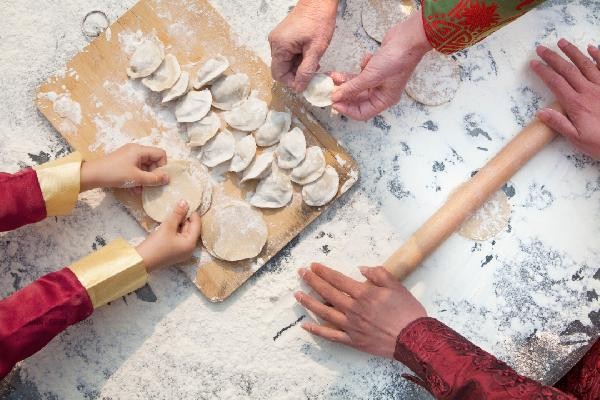
4. Steaming time
Ordinary meat filled frozen dumplings need to be steamed on high heat for 12-15 minutes, while vegetarian filling can be shortened to 10 minutes. Do not open the lid during steaming, turn off the heat and let it simmer for 2 minutes to allow residual heat to penetrate the filling. Judging from maturity, the dumpling skin can be observed to be semi transparent, or a toothpick can be used to pierce the dough without any adhesion of raw flour.
5. Heat regulation
During the initial 5 minutes, high heat should be used to ripen, and then medium heat should be used to steam slowly to avoid skin breakage. electromagnetic stove users suggest using a power of 2000 watts for fast induction, and then adjusting it to 1200 watts for maintenance. The gas stove should keep the flame covering 2/3 of the bottom area of the pot, and the steaming time can be appropriately extended when the firepower is insufficient.
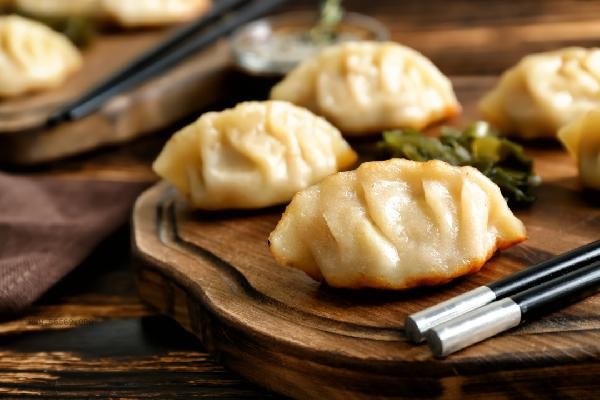
Steamed frozen dumplings should be immediately taken out and laid flat to cool for 1 minute to prevent the bottom from becoming sticky due to residual temperature. It can improve digestion and absorption when paired with aged vinegar and garlic puree. For those with weak gastrointestinal function, Seaweed soup is recommended. The remaining Steamed dumplings should be stored in cold storage for no more than 24 hours, and it is recommended to use frying and frying to restore the crisp taste when reheating. When choosing dumplings, pay attention to the freezing date. Dumplings that have been frozen for more than 3 months may experience fat oxidation, and the steaming time should be extended by 2-3 minutes.








Comments (0)
Leave a Comment
No comments yet
Be the first to share your thoughts!