
The correct methods for storing blueberries mainly include refrigeration, freezing, drying, sealing, and packaging.

1. Refrigerate storage
Fresh blueberries can be stored in the refrigerator to extend their shelf life. Place blueberries in a breathable container, avoid squeezing, and keep the temperature between 0-4 degrees Celsius. No need to clean before refrigeration, surface moisture will accelerate decay. If moldy fruits are found, they should be picked out immediately to prevent contamination of other fruits. It is recommended to consume blueberries stored in refrigeration within 3-5 days.
2. Cryopreservation
Freezing is an effective way to preserve blueberries for a long time. Spread the blueberries flat on a tray and pre freeze for 2 hours, then place them in a sealed bag and store under vacuum. The freezing process can damage the cell structure, and it is suitable for making jam or baking after thawing. The freezing temperature should be below -18 degrees Celsius and can be stored for 6-8 months. Thawing quickly with running water before consumption can reduce nutrient loss.
3. Dry storage
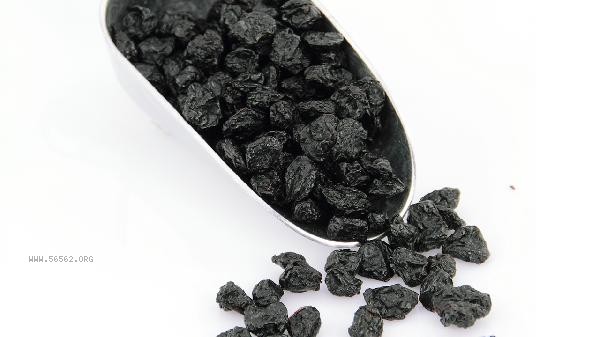
Blueberries can be dehydrated by using a food dryer or low-temperature baking. Before processing, it is necessary to clean and dry the surface moisture, and cut it into uniform thin slices. The drying temperature should be controlled below 60 degrees Celsius for 6-8 hours until complete dehydration is achieved. Dried blueberries should be placed in a moisture-proof container and stored for 3-6 months with the addition of food desiccants. This storage method may lose some vitamins but is easy to carry.
4. Sealed storage
Using a vacuum sealed container can effectively isolate oxygen. After placing blueberries in a food grade sealed box, try to exhaust the air inside the box as much as possible. Sealed storage requires refrigeration measures, which can extend the shelf life to 7-10 days. After opening, it should be consumed as soon as possible, as repeated sealing will affect the preservation effect. Before sealing, kitchen paper can be inserted to absorb excess moisture.
5. Packaging and preservation
Packaging according to the amount consumed each time can reduce contamination caused by repeated retrieval. Use small food boxes or plastic bags for packaging, take one box at a time. Freezing storage after packaging yields better results, avoiding repeated thawing of the entire package. Reserve 1 centimeter of space during packaging to prevent bag swelling, and mark the date to ensure first in, first out. This method is particularly suitable for families with small and multiple consumption needs. Blueberries are rich in anthocyanins and vitamin C. During storage, it is important to avoid direct sunlight and high temperatures. Blueberries of different maturity levels should be stored separately, and overripe fruits should be treated first. Carefully select and remove damaged fruits before storage, and place absorbent material on the bottom of the container. Regardless of the storage method used, it is recommended to regularly check the condition of the fruit. If there is any odor or mold, it should be discarded immediately. Reasonable storage can maximize the preservation of the nutritional value and flavor characteristics of blueberries, providing healthy fruit choices for daily diet.









Comments (0)
Leave a Comment
No comments yet
Be the first to share your thoughts!