
The correct method for stir frying pork mainly includes five key steps: material selection and processing, heat control, seasoning and pairing, stir frying techniques, and cooking timing.
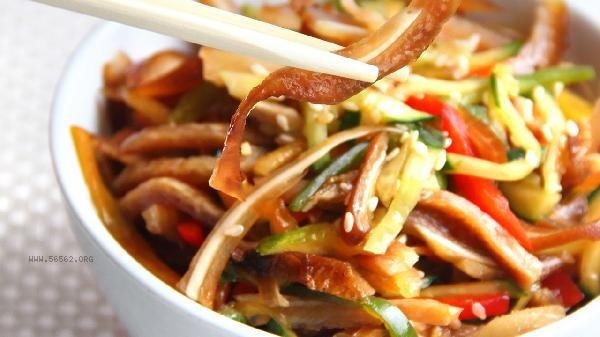
1. Material selection and treatment
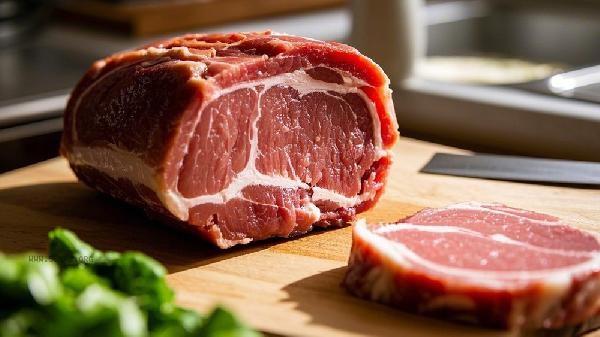
Choose fresh pork tenderloin or plum blossom meat, which is tender and evenly distributed in fat. Cutting pork into thin slices or fine threads in reverse can break down muscle fibers and make the taste more tender and smooth. Rinse the sliced meat with clean water and drain off excess water to prevent water from affecting the taste during stir frying. According to the dish requirements, you can choose to marinate with a small amount of starch or egg white for 10 minutes to lock in moisture and enhance tenderness.
2. Heat Control
The frying pan should be heated to a smoking state before pouring oil, and kept on medium high heat for quick stir frying. When the oil temperature is 70% hot and the meat is cooked, hearing a noticeable sizzling sound indicates that the temperature is appropriate. Maintain even heat throughout the process to avoid slow frying over low heat, which may cause the meat to turn dry. If using an induction cooker, it is recommended to adjust the power to around 1800 watts to simulate the effect of an open flame.
III. Seasoning Matching
Basic seasoning uses light soy sauce to enhance freshness, dark soy sauce to color, cooking wine to remove fishy smell, and sugar and salt to balance saltiness and freshness. Can be paired with scallions, ginger, garlic, and saut é ed until fragrant. Add special seasonings such as Douban sauce and oyster sauce according to the dish. Note that soy sauce seasonings should be poured along the edge of the pot to stimulate the aroma. If salt has already been added during pickling, reduce the amount of salt added later. Sweet and sour flavors can be topped with vinegar or sweet and sour sauce.
4. Stir Frying Techniques
Quickly spread the meat after putting it in the pot to prevent sticking, and use a spatula to push and stir on the back of the pot to protect the meat more than poking and stirring. When the surface of the meat slices changes color, immediately push them to the edge of the pot, pour in the side dishes and stir fry until they are broken before mixing. The stirring technique can evenly heat ingredients, and household stoves can use chopsticks to assist in stirring. The entire stir frying process should be controlled within 3 minutes to avoid overcooking.
5. Cooking Time
The best taste is when the pork has completely changed color and the edges are slightly curled. At this time, immediately turn off the heat and serve. The residual temperature will allow the interior to continue to mature, reaching a tender but not raw state just after plating. If you need to cook it again, you can stir fry the meat until it is 80% cooked and leave room. Dishes such as Shredded pork and green pepper with green pepper should be cooked synchronously when the tiger skin on the surface of the green pepper rises.
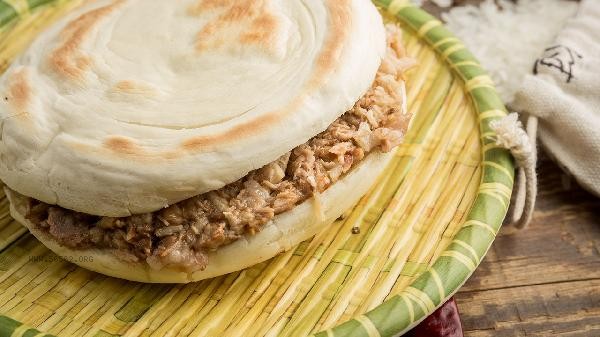
When stir frying pork, it is recommended to pair it with vegetables with moderate moisture content such as green peppers, onions, and fungus, which can balance greasiness and retain nutrients. Using an iron pot can better maintain high temperature. Pay attention to boiling the pot to a sufficient temperature before stir frying. Pork from different parts is suitable for different cooking methods. For example, pork belly needs to be stir fried to remove oil, while pork ribs are best blanched first and then stir fried. By mastering the two core points of pre-processing and heat, one can make tender, smooth, and flavorful home cooked stir fried meat. For daily cooking, you can try marinating with pineapple juice or pear juice, as natural enzymes can make the meat softer. The frying process should be done quickly, preparing all the ingredients in advance before firing to avoid being flustered and affecting the quality of the finished dish.








Comments (0)
Leave a Comment
No comments yet
Be the first to share your thoughts!