
It is recommended to soak dried hairtail in cold water and use a small amount of salt or ginger to assist in removing fishy smell. During the foaming process, attention should be paid to key aspects such as water temperature control, timing, deodorization techniques, meat quality protection, and subsequent processing.
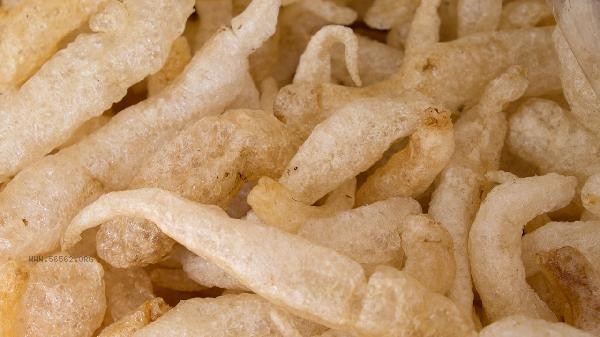
1. Water Temperature Control
Cold water immersion can maximize the integrity of hairtail muscle fibers, and it is recommended to maintain the water temperature at 10-15 degrees Celsius. In summer, it can be placed in the refrigerator for soaking to avoid protein denaturation caused by rising water temperature. Although soaking in hot water can shorten the time, it can cause the surface meat to become loose and affect the molding effect.
2. Timing
Dried hairtail with a standard thickness of 500g should be soaked for 6-8 hours, during which water should be replaced every 2 hours. Thin slice dried hairtail can be shortened to 4 hours, while oversized chunks need to be extended to 10 hours. The criterion for judgment is that fish meat can be easily bent without a hard core, and excessive soaking can lead to nutrient loss.
3. Deodorizing Techniques
Adding 5 grams of salt or 3 slices of ginger per liter of water can effectively decompose fishy substances such as trimethylamine. It is not recommended to soak directly in cooking wine, as alcohol can cause protein to solidify. In the later stage of soaking, light tea water can be used to rinse, and tea polyphenols can adsorb odor substances.
4. Meat protection
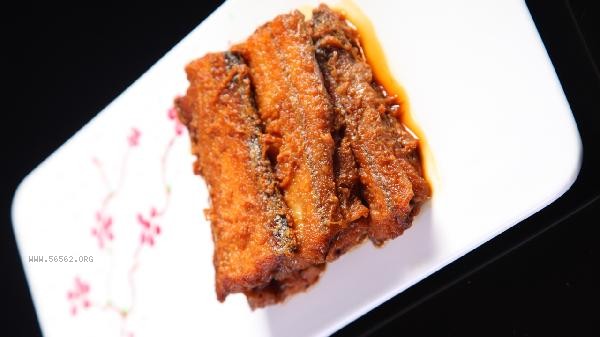
Avoid rubbing vigorously throughout the process, as the silver fat layer on the surface of hairtail contains abundant unsaturated fatty acids. Adding a small amount of starch to water can form a protective film to prevent fish meat from breaking. If oil is found floating on the water surface, it should be promptly removed as these are oxidized fatty substances.
5. After soaking, use kitchen paper to absorb the surface moisture and immediately cook or vacuum freeze for storage. After secondary dehydration, hairtail can be cut into flower blades for better flavor, and steaming with scallions and ginger can further enhance its freshness. The remaining foaming water contains a large amount of flavorful amino acids, which can be filtered and used as a base for broth.
High quality dried hairtail should choose varieties with intact silver fat and naturally curved fish bodies, and avoid purchasing products with yellowed surfaces or a rancid smell. During the foaming process, changes in water quality can be observed. Normally, it should be slightly turbid. If there is flocculent sediment or obvious odor, use should be stopped. Processed hairtail is suitable for braising, steaming, or frying, with a protein content of over 80% of fresh fish, and flavor compounds are more concentrated after dehydration and concentration. hypertensive patients should control the amount of salt added, and gout patients are advised to discard foaming water to reduce purine intake. When storing, wrap it with plastic wrap to isolate it from the air, refrigerate for no more than 24 hours, and freeze it for up to one month.








Comments (0)
Leave a Comment
No comments yet
Be the first to share your thoughts!