
The key to preserving tea lies in avoiding light, moisture, sealing, preventing odors, and maintaining low temperatures. There are mainly methods such as sealed jar storage, refrigerator refrigeration, foil bag packaging, pottery jar storage, vacuum packaging, etc.
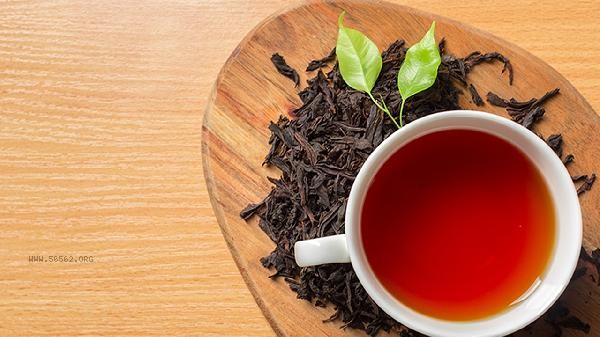
1. Sealed jar storage
Using ceramic or stainless steel sealed jars can effectively isolate air and moisture, especially suitable for easily oxidizable teas such as green tea. Food grade deoxidizers can be placed inside the can to extend the shelf life, and it is important to avoid using transparent containers. After each tea pickup, the can lid should be immediately closed to prevent moisture from entering and causing the tea leaves to become damp and spoiled.
2. Refrigerator refrigeration
A refrigeration environment with a temperature below 5 ℃ can significantly delay the oxidation of tea leaves, suitable for delicate green teas such as Longjing and Biluochun. Tea leaves need to be packed into aluminum foil bags and vacuum sealed before being placed in a separate area of the refrigerator's refrigeration compartment to avoid mixing with other foods. After removal, it should be left to stand at room temperature before opening to prevent condensation from damaging the quality of the tea leaves.
3. Tin foil bag packaging
Aluminum foil composite bags have dual functions of shading and moisture-proof, suitable for short-term storage of semi fermented teas such as oolong tea and black tea. Suggest packaging according to the amount consumed each time to reduce the number of times it is opened. Leave a small amount of air buffer inside the bag, excessive vacuuming may cause tea leaves to shatter. The storage location should be away from areas with high temperature and humidity fluctuations in the kitchen.
4. Storage in pottery jars
The microporous structure of purple clay or coarse pottery jars can regulate humidity, making them particularly suitable for post fermented teas such as Pu erh tea and black tea. The new jar needs to be first treated with tea soup to remove the earthy smell, and stored in a well ventilated and dry environment. Regularly check the condition of the tea leaves in the can. Aged Pu erh tea can be moderately exposed to air to promote conversion, but it is necessary to prevent the risk of mold growth.
5. Vacuum Packaging
Professional vacuum machines combined with aluminum foil bags can create a near anaerobic environment, suitable for long-term storage of high-value premium tea. Ensure that the moisture content of the tea leaves is below 6% before vacuuming, and store them in a cool, dark place after packaging. Note that tea leaves stored in vacuum should be consumed as soon as possible after opening to avoid sudden exposure to air that can cause a sharp decline in quality. Different types of tea have different requirements for storage conditions. Green tea and yellow tea need to be protected against oxidation, while white tea and black tea need to pay attention to environmental humidity control. Regardless of the method used, it is necessary to stay away from sources of odors such as detergents and cosmetics, and regularly check whether the tea leaves are damp or have mixed flavors. It is recommended to choose small packaging when purchasing, and it is best to consume it within six months after opening. Use a dry tea spoon for daily tea picking to avoid hand moisture contamination. The correct storage method can not only maintain the color, aroma, and taste of tea leaves, but also preserve their beneficial components and achieve the best health benefits.








Comments (0)
Leave a Comment
No comments yet
Be the first to share your thoughts!