
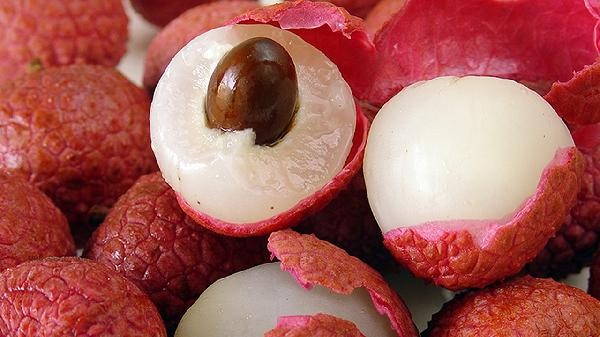
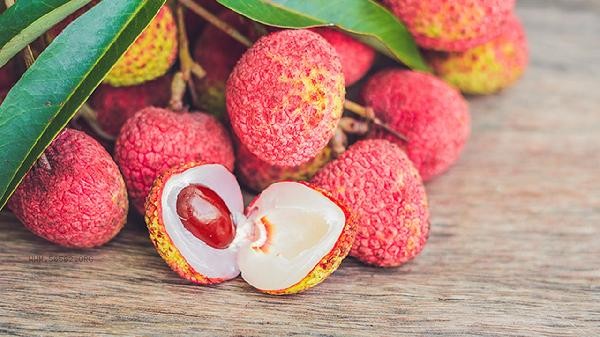
The correct method to peel lychee is to pinch the concave part at the top of the lychee with your thumb and index finger, gently squeeze along the midline to crack the fruit shell, and then peel off the outer shell and inner membrane along the same direction. The lychee shell is hard and has small protrusions, which can easily damage the flesh or stain the juice when torn directly. The correct operation requires first observing the midline depression on the surface of the lychee, where the fruit shell is thin and loosely connected. When pressing the top depression with the fingertips of the thumb, the force should be gentle and even. If there is a slight cracking sound, it can be stopped to avoid excessive squeezing and juice leakage. After cracking, nails can be used to pry open the outer shell along the gap. When peeling, pay attention to preserving the integrity of the white film on the surface of the fruit pulp, which can reduce the oxidation and blackening of the fruit pulp. If the inner membrane adheres too tightly to the flesh, soak the lychee in ice water for a few minutes to reduce its stickiness. When some lychee varieties have thick shells or insufficient maturity, a fruit knife can be used as an aid. Make a shallow incision along the midline with the tip of the knife, limited to a depth that does not touch the flesh, and then break it in half by hand. Keeping hands dry during handling can increase friction and avoid slipping and scratching. After refrigeration, lychee shells become more brittle due to low temperature, resulting in a higher success rate of peeling. However, it is necessary to prevent frostbite of the fruit flesh. If you need to process lychee in bulk, you can purchase a dedicated corer to directly remove the fruit core, but manual peeling can better preserve the complete fruit shape. Litchi is rich in vitamin C and various minerals, but it has a high sugar content and needs to be consumed in moderation. After peeling, it is recommended to consume or refrigerate as soon as possible to avoid prolonged exposure to air that can cause nutrient loss. Soaking in light salt water before consumption can reduce heat, and for those with gastrointestinal sensitivity, the daily intake should be controlled within 10 pills. When selecting lychees, choose fruits with uniform color and smooth spines on the shell. Fruits with blackened or sour outer shells may have deteriorated. Children's consumption should be supervised by parents to prevent choking risks caused by accidental ingestion.








Comments (0)
Leave a Comment
No comments yet
Be the first to share your thoughts!