
The correct methods for making steamed buns and dough mainly include controlling the water temperature, mastering the amount of yeast used, adjusting the kneading force, controlling the fermentation environment, and achieving proper secondary fermentation.
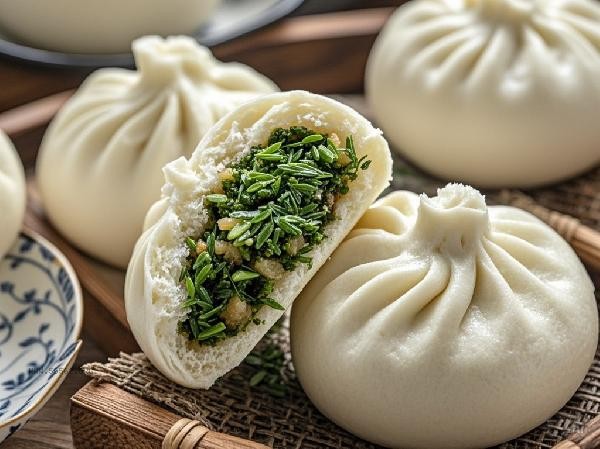
1. Control the water temperature
and the temperature of the dough directly affect yeast activity, with water at 30-35 degrees Celsius being the most suitable for activating yeast. Excessive water temperature can kill yeast, making it difficult for the dough to expand. Water slightly above body temperature can be used in winter, and it is recommended to use room temperature water in summer. When the water temperature is appropriate, yeast can quickly break down sugar and produce carbon dioxide, making the buns fluffy and soft.
2. Master the yeast dosage
It is advisable to add 3-5 grams of dry yeast per 500 grams of flour. Too much yeast will produce a sour taste, while too little will slow down fermentation. The amount of fresh yeast needs to be increased to three times that of dry yeast. Yeast is first boiled with warm water and left for 5 minutes, and foam appears, indicating good activity. Sugar can promote fermentation, but exceeding 8% of flour content can inhibit yeast growth.
3. Adjust kneading force
The dough should be kneaded until it is smooth and non sticky to the hands, and it takes about 15-20 minutes to continue kneading. Insufficient kneading leads to loose gluten network and easy escape of fermentation gases; Excessive kneading can make the dough harden. During the kneading process, add a small amount of water in stages to allow the flour to fully absorb water and form extensibility. It is best to stretch the kneaded dough into a thin film.

Fourth, control the fermentation environment
The dough should be fermented in an environment of 28-32 degrees Celsius and 75% humidity. In winter, it can be placed next to a warm water basin or in an oven for fermentation, and in summer, it should be kept away from direct sunlight. It is advisable to ferment to twice the size without retracting when poking a hole with your fingers. Low temperature leads to slow fermentation, while high temperature can easily produce sour taste. Cover with a damp cloth to prevent surface cracking.
Fifth, the second awakening is in place
After wrapping the buns, they need to be allowed to stand for 20-30 minutes for a second awakening, and the volume should be increased by 1.5 times before steaming. Insufficient awakening can cause collapse after steaming, while excessive awakening can cause skin collapse. In winter, it can be extended to 40 minutes, and in summer, the condition needs to be observed. After the water in the steamer boils, put in the buns to avoid dead noodles caused by low temperature.
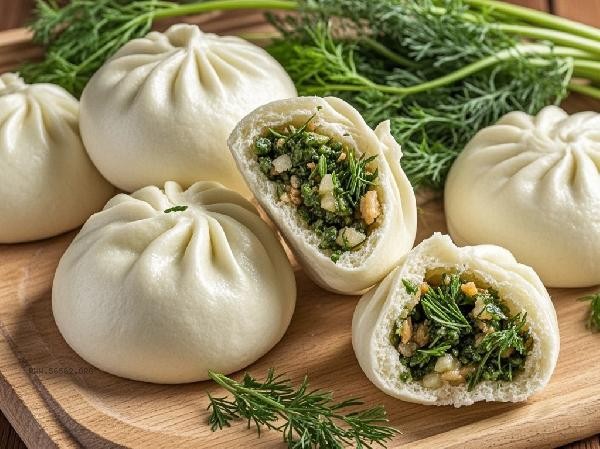
When making buns, choosing medium gluten flour is easier to shape. After fermentation, gently pressing and slowly rebounding indicates sufficient fermentation. During the steaming process, keep the heat high enough to produce enough steam. After turning off the heat, let it simmer for 3 minutes before opening the lid to prevent it from retracting. A small amount of lard can be added to the dough to increase its luster, but the amount of water should be reduced accordingly. Fermentation time needs to be adjusted in different seasons, and in summer, refrigeration can be used to slow down the fermentation rate. Regularly clean the fermentation container to avoid bacterial contamination, and using fresh yeast can improve the success rate. The process of making dough requires patience, and observing the dough's condition is more important than strictly following the time.








Comments (0)
Leave a Comment
No comments yet
Be the first to share your thoughts!