
When heating bottled beverages, it is recommended to use a water-resistant heating method or microwave oven for short-term heating to avoid direct high-temperature boiling or prolonged heating that may cause packaging deformation or ingredient deterioration.

Cross water heating is the safest way. Soak unopened bottled beverages in hot water, keeping the temperature below 60 degrees Celsius for no more than 5 minutes. This method can evenly heat up and avoid local overheating, and is suitable for common packaging such as plastic bottles and glass bottles. During the heating process, it is important to ensure that the water level does not exceed the bottle cap to prevent water from seeping into the bottle mouth. Metal canned beverages are not recommended to be heated as the rapid thermal conductivity of metal can lead to uneven temperature distribution of the contents.
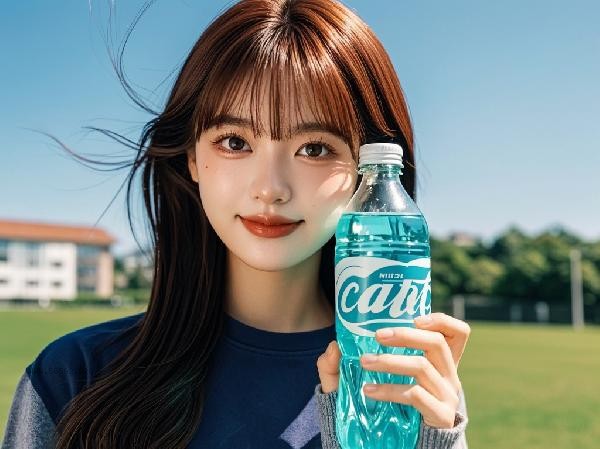
To use a microwave for heating, pour the beverage into a microwave specific container, heat at low to medium power for 30 seconds, stir, and repeat until the appropriate temperature is reached. It is prohibited to directly put plastic bottles or aluminum cans into the microwave oven. Plastic may release harmful substances when heated, while metal containers may generate electric sparks. Special formula beverages, such as those containing dairy products and probiotics, may have their active ingredients destroyed when heated above 40 degrees Celsius. It is recommended to drink these beverages at room temperature.
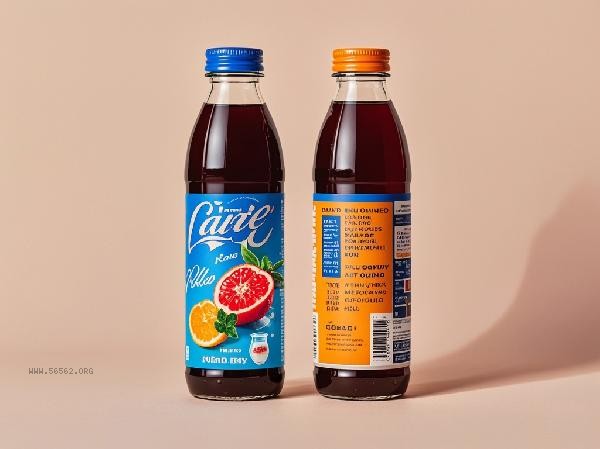
The heated beverage should be consumed as soon as possible to avoid repeated heating or prolonged storage. Diabetes patients should pay attention to that heating may change the perception of beverage sweetness, and high sugar beverage heating is more likely to cause blood sugar fluctuations. When supplementing electrolyte drinks after exercise, room temperature or slightly warm conditions are more conducive to rapid absorption. Regardless of the heating method used, it is recommended to first check if the packaging is labeled with a heatable label. Before heating, gently shake the bottle to evenly heat the liquid, and test the temperature before drinking to prevent burns.








Comments (0)
Leave a Comment
No comments yet
Be the first to share your thoughts!