
When heating beverages, it is necessary to choose the appropriate method according to the type. Common methods include water-resistant heating, microwave heating, constant temperature coaster heating, direct heating from a pot, and treatment with commercial heating equipment. Temperature control below 60 degrees can prevent nutrient loss, and dairy beverages should prevent protein denaturation.
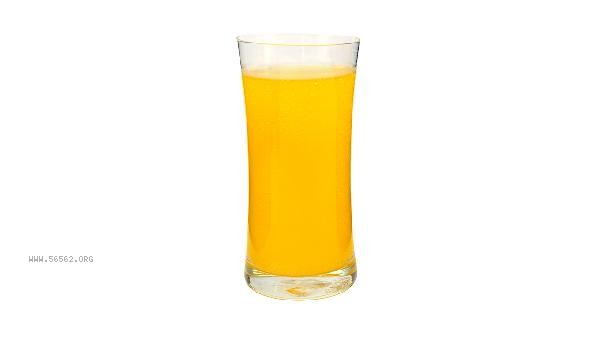
1. Heat over water
Pour the beverage into a heat-resistant container and slowly heat it up in a hot water basin, suitable for glass bottled juice or metal canned drinks. This method heats up evenly and can avoid the oxidation of vitamin C caused by local overheating, especially suitable for infant fruit juice and probiotic drinks. The heating time should be controlled within 10 minutes, and the water level should not exceed two-thirds of the container.
2. Microwave Heating
Use a microwave specific cup to heat over medium heat for 30 seconds, then stir and cycle 2-3 times until the appropriate temperature is reached. Plastic bottled beverages require container replacement, and aluminum foil packaging is prohibited from being microwaved. This method is efficient, but it should be noted that carbonated drinks may splash due to rapid heating, and milk tea drinks need to be heated after removing ingredients such as pearls.
3. Constant temperature coaster heating
uses 55 degree constant temperature technology to continuously maintain insulation, suitable for long-term warm coffee, traditional Chinese tea drinks and other liquids in the office. This is particularly suitable for beverages such as honey water that require the retention of active ingredients. Continuous heating for no more than 4 hours can prevent microbial growth. Choosing a coaster with automatic power-off function is safer.

4. Directly heating the pot
Herbal tea drinks that need to be boiled can be boiled slowly in a stainless steel pot over low heat, and immediately turn off the heat after boiling. Sour plum soup with high sugar content should be constantly stirred to prevent the bottom from sticking, and dairy products should be heated until small bubbles appear at the edges. Traditional methods are suitable for large-scale preparation, but they may damage some heat sensitive nutrients.
5. Commercial heating equipment
The steam heating rod used in milk tea shops can accurately control temperature, and the instant heating system of the coffee machine can achieve second level heating. These professional devices maintain the optimal taste temperature of protein drinks at 65 degrees Celsius through a PID temperature control system, and home users can choose a portable milk frother as an alternative.
The heated beverage should be consumed as soon as possible, as repeated heating can cause the sugar to char and produce harmful substances. Metal canned drinks cannot be directly heated, and plastic bottled drinks should not be heated more than twice. Special groups such as diabetes patients should choose sugar free drinks for heating, and people with weak gastrointestinal function should avoid drinking overheated drinks on an empty stomach. It is recommended to choose ceramic or glass containers for insulation in winter, which can maintain a suitable drinking temperature and avoid the risk of plasticizer precipitation.








Comments (0)
Leave a Comment
No comments yet
Be the first to share your thoughts!