
Red beans need to be thoroughly dried and sealed before freezing to extend their shelf life and avoid nutrient loss. Frozen red beans are mainly cleaned and drained, packaged and sealed, labeled with dates, avoided from repeated thawing, and consumed in a reasonable combination.
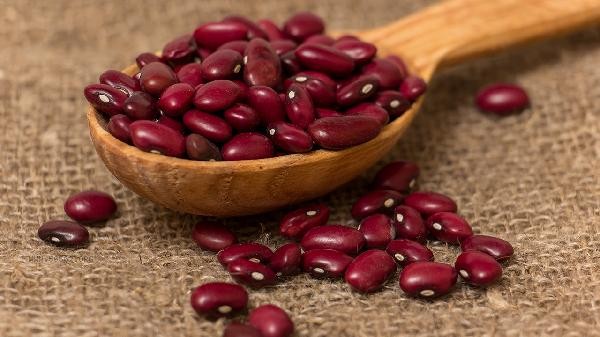
1. Cleaning and draining
Fresh red beans need to be rinsed with clean water to remove surface impurities. After draining the water, spread it flat on kitchen paper to absorb residual water stains. Freezing directly in a damp state can easily cause clumping or ice crystals to damage the structure of the beans, affecting the taste after thawing. If you purchase dried red beans, you can directly proceed to the packaging step.
2. Packaging and sealing
Put the food grade sealed bag or fresh-keeping box according to the single consumption amount, remove excess air from the bag, and seal it. It is recommended to limit each serving to 100-200 grams to avoid repeated thawing of large packages. Sealed containers need to leave some space, as the volume of red beans may slightly expand after freezing.
3. Label Date
Use an oil-based pen to indicate the freezing date on the packaging. Generally, red beans can be stored for 6-8 months at -18 ℃. Although freezing can inhibit bacterial growth, legume fat may slowly oxidize over time, and consuming it early can ensure optimal flavor.
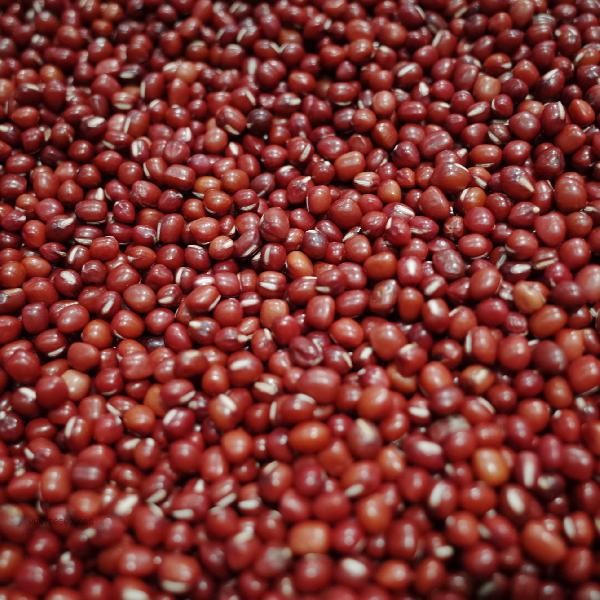
4. Avoid repeated thawing
Frozen red beans should be used up all at once after thawing, as repeated freezing can accelerate cell wall damage, resulting in powdery texture or nutrient loss. It is recommended to slowly thaw the required amount in the refrigerator before cooking, or directly put it into boiling water to cook.
5. Reasonable combination of consumption
Thawed red beans are suitable for making bean paste, soup, or mixed grain rice. When cooked with ingredients such as red dates and yams, they can enhance the nourishing effect. If mold or odor is found on the beans, they should be discarded immediately. Freezing cannot reverse the spoilage that has already occurred.
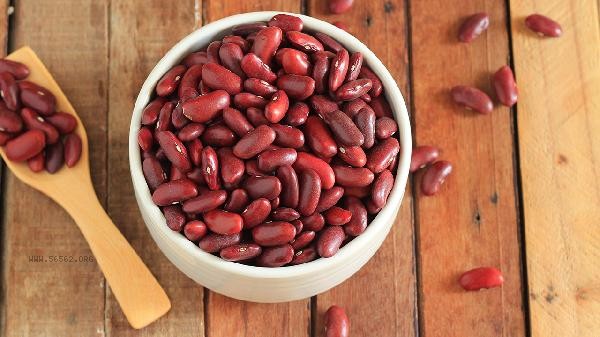
It is recommended to prioritize using frozen red beans for recipes that require long-term stewing, as high temperatures can further soften the fiber. Red beans can be mixed with barley, oats and other grains for daily packaging, making breakfast Congee more convenient. Attention: For those with spleen and stomach deficiency and cold, a small amount of ginger slices can be added to mix frozen beans. For those with weak digestive function, it is recommended to extend the soaking time before cooking.








Comments (0)
Leave a Comment
No comments yet
Be the first to share your thoughts!