
Before freezing persimmons, it is necessary to ensure that the fruit is ripe but not soft and rotten. After peeling and cutting into pieces, sealing and storing can preserve the best flavor. Freezing persimmons mainly involves five key steps: selecting mature fruits, cleaning and peeling, cutting and removing seeds, sealing and packaging, and low-temperature freezing.

1. Select ripe fruits
Choose fresh persimmons with orange red color and green stem to avoid fruits with bruises or mold spots. Hard persimmons need to undergo astringency treatment, and can be ripened with apples or soaked in warm water to remove astringency. Fully ripe persimmons have a high sweetness and are less likely to produce ice crystals after freezing, which can affect their taste.
2. Clean and Peel
Rinse the surface dirt with running water. Soft persimmons can have their outer skin peeled off, while hard persimmons are recommended to be treated with a peeler. The stem area needs to be thoroughly removed, as residual skin may bring a bitter taste. Soaking in light salt water immediately after peeling can prevent oxidation and discoloration.
3. Cut the persimmon into pieces and remove the core.
Cut the persimmon into slices or cubes according to its purpose. To make smoothies, you can cut them into large pieces. For baking, it is recommended to cut them into small cubes measuring 1 centimeter square. Keep the cutting board and tools dry during processing to avoid accelerated deterioration caused by residual moisture.
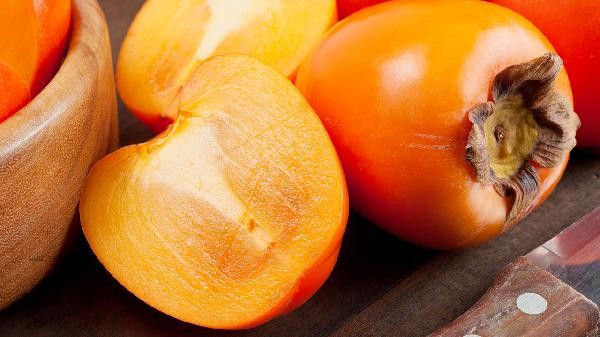
4. Sealed packaging
Use food grade sealed bags or fresh-keeping boxes for packaging, and each serving should be consumed in a single serving. Empty the air before bagging, and use baking paper to prevent adhesion. Label the freezing date and suggest consuming within 3 months. Adding a small amount of lemon juice can better maintain the color.
5. Low temperature quick freezing
Place the packaged persimmons flat in the freezer compartment of the refrigerator and quickly freeze them at temperatures below minus 18 degrees Celsius. Freezing can reduce the formation of ice crystals and make the fruit flesh firmer after thawing. Avoid repeated freezing and thawing, and consume within 24 hours after thawing.

Frozen persimmons are suitable for making smoothies, jams, or baking toppings. They may become slightly soft and crumbly when consumed directly after thawing. It is recommended to pre treat according to the purpose before freezing, such as dividing the clay into smaller packages for easier use. When mixed with other frozen fruits to make smoothies, it can supplement vitamin C and dietary fiber. People with weak gastrointestinal function should control their food intake, and after thawing, they can be heated to a low temperature to reduce irritation. Regularly check the temperature of the refrigerator to ensure a stable freezing environment for long-term storage. If frosting or fruit discoloration is found on the packaging bag, it should be stopped from consumption.








Comments (0)
Leave a Comment
No comments yet
Be the first to share your thoughts!