
The correct method for freezing bananas is to peel and cut them into pieces, then seal and freeze them, which can preserve them for a longer period of time and retain their nutrients. Bananas have a dense texture after being frozen, making them suitable for making healthy desserts such as ice cream or milkshakes.
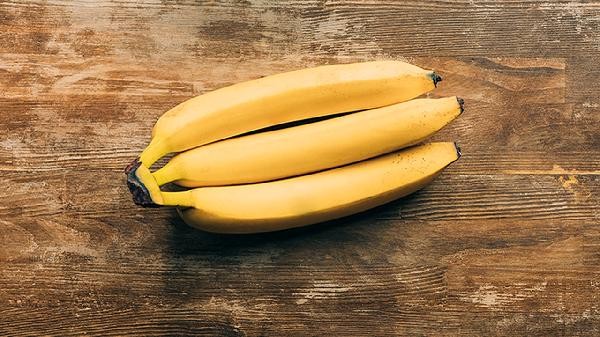
Freezing bananas directly after peeling can cause the flesh to oxidize and turn black. It is recommended to cut bananas into evenly sized blocks or slices and lay them flat in a fresh-keeping box or sealed bag for freezing. Bananas that are sliced and frozen are easier to access, avoiding the difficulty of thawing caused by freezing the entire banana. Using silicone molds for grid freezing can prevent adhesion, and dropping a small amount of lemon juice on the surface of bananas before freezing can help delay oxidation discoloration. If you want to make banana ice cream, you can directly put frozen banana chunks into the blender and stir until smooth. Bananas that have been frozen for more than two weeks may have ice crystals affecting their taste. It is recommended to use them in batches with the date indicated on the packaging bag. Diabetes patients need to control their intake, and those with weak gastrointestinal function should avoid eating frozen bananas on an empty stomach. Frozen bananas are a healthy choice for summer heat relief and can be paired with yogurt, nuts, or oatmeal for breakfast. Choosing bananas with moderate maturity yields better freezing results, while overripe bananas have excessively high sweetness after freezing. Avoid repeated thawing during the freezing process, and seal it promptly after each use to extend the storage time. Adjust the freezing time according to personal taste, and bananas frozen for a short period of time will still retain some fresh taste.








Comments (0)
Leave a Comment
No comments yet
Be the first to share your thoughts!