
The correct method for cleaning chives mainly includes five steps: rinsing with running water, soaking in salt water, removing roots, scrubbing leaf crevices, and draining water. Leeks are prone to residual soil and pesticides, and need to be thoroughly cleaned before they can be safely consumed.
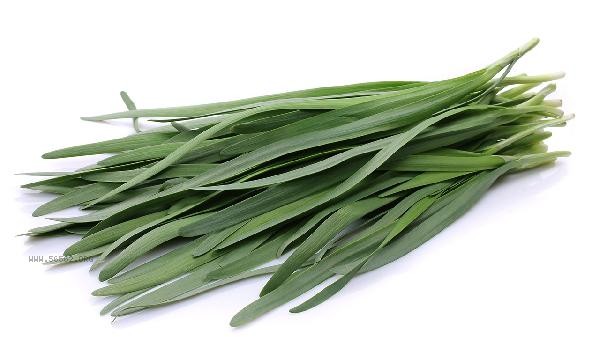
1. Rinse with running water
Put the chives under flowing water and rinse for more than 30 seconds. The water flow can wash away most of the sediment and impurities on the surface. Gently flick the leaves with your hands during rinsing to ensure that the water flows through every stem and leaf. Be careful not to cut the section before washing to avoid contamination of the interior.
2. Soaking chives in salt water
Soak chives in 3% diluted salt water for 5 minutes. Salt water can help decompose some pesticide residues and drive away small insects between leaves. After soaking, rinse with running water again to avoid salt residue affecting the taste. It is recommended to control the water temperature at around 20 ℃, as both supercooling and overheating may damage the blade structure.
3. Root Removal
The roots of chives come into closest contact with the soil, and it is recommended to directly remove 1-2 centimeters of the roots. When removing, pay attention to checking the roots for decay or insect eggs. If any abnormalities are found, discard the entire plant. The preserved false stem part needs to be longitudinally cut open and washed, as there is often sediment hidden inside.
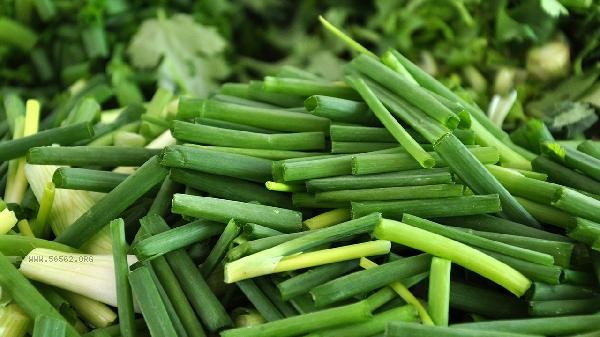
4. Rub the leaf crevices
The overlapping area of chive leaf sheaths is prone to accumulating dirt and grime, so gently rub open the leaf crevices with your fingers and rinse. For particularly thick leaf sheaths, a soft bristled brush can be used to assist in cleaning. The movement should be gentle to avoid leaf damage, and nutrient loss is mainly concentrated at the broken incision.
5. Drain the water
After cleaning, the chives should be inverted and drained for more than 10 minutes, or treated with a centrifugal vegetable dehydrator. Adequate drying can prolong storage time, while humid environments can easily lead to bacterial growth. If you need it urgently, you can wrap it in kitchen paper to absorb water, but avoid mechanical damage caused by strong squeezing.
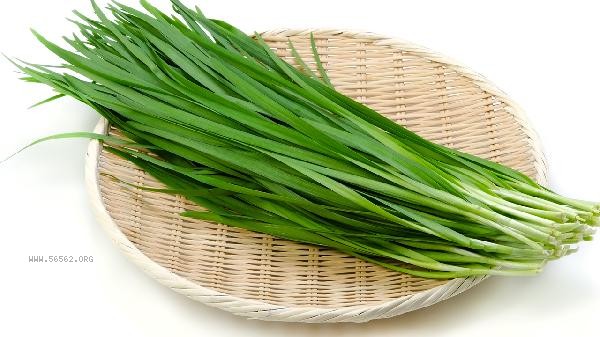
Chives contain volatile sulfides, and it is recommended to cook them as soon as possible after cleaning to preserve their flavor. When stored, it can be wrapped in kitchen paper and placed in a fresh-keeping box, refrigerated for no more than 3 days. Cold mixed raw food should be thoroughly cleaned, and cooked food is recommended for the elderly, children, and those with low immunity. Pairing with poultry eggs or soy products can enhance protein complementary absorption, but should not be consumed with cold foods to avoid gastrointestinal discomfort. Regularly rotate different cleaning methods to avoid pesticide resistance.








Comments (0)
Leave a Comment
No comments yet
Be the first to share your thoughts!