
The correct methods for cleaning chives mainly include rinsing with running water, soaking in salt water, cleaning with baking soda, washing with rice water, and removing the roots. Leeks are prone to pesticide residues and soil, and need to be thoroughly cleaned before they can be safely consumed.
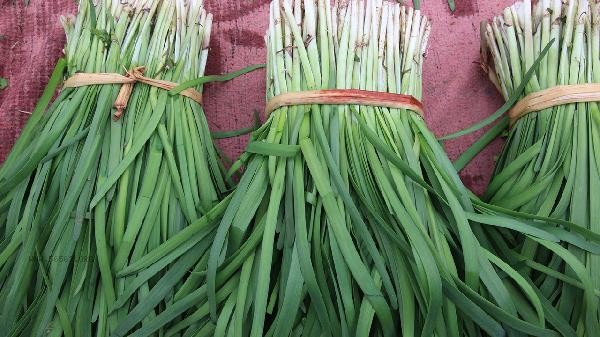
1. Rinse with running water
Place the chives in running water and rinse repeatedly, gently rubbing the leaves and roots with your hands. Running water can effectively wash away dust and some pesticide residues attached to the surface. It is important to note that the water flow should not be too strong to avoid damaging the vegetable leaves. The recommended flushing time is about two minutes, with a focus on cleaning the gaps between the leaf sheaths.
2. Soaking chives in salt water
Soaking chives in light salt water can help decompose pesticides. Add a spoonful of salt to clean water and soak the chives for about ten minutes. Salt water can penetrate the folds of the leaves, causing some fat soluble pesticides to precipitate. After soaking, they need to be rinsed with running water. Note that the concentration of salt water should not be too high to avoid damaging the cell structure of vegetables.
3. Baking soda cleaning
Baking soda solution can neutralize acidic pesticides. Add a small amount of baking soda to clean water, soak the chives for five minutes, and gently stir. Baking soda's weak alkalinity can decompose organic phosphorus pesticides, making it particularly suitable for cleaning leafy vegetables. After processing, rinse thoroughly with running water to avoid residual alkaline substances.
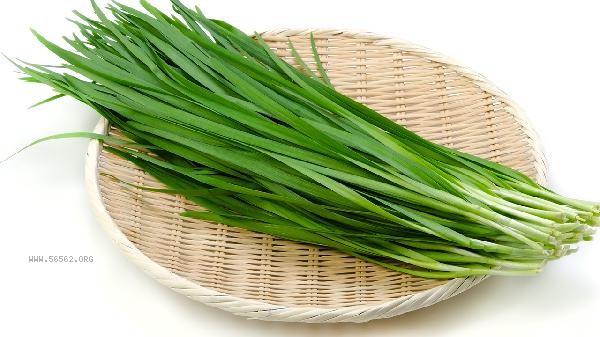
4. Rice washing water
Rice washing water contains starch particles that have adsorption properties. Soak chives in the second rice washing water for eight minutes, and starch can adhere to some pesticides and impurities. The trace amount of vitamin B in rice washing water helps maintain the nutrition of vegetables. After cleaning, it is still necessary to rinse with clean water to avoid rice bran residue.
5. Removing the roots
Leek roots are prone to accumulating sediment and insect eggs. It is recommended to directly remove the roots before cleaning. Using scissors to cut off the fibrous root system along the bottom of the white stem can reduce cleaning blind spots. The retained false stem parts need to be opened and rinsed internally to prevent soil from hiding between the bulb layers.
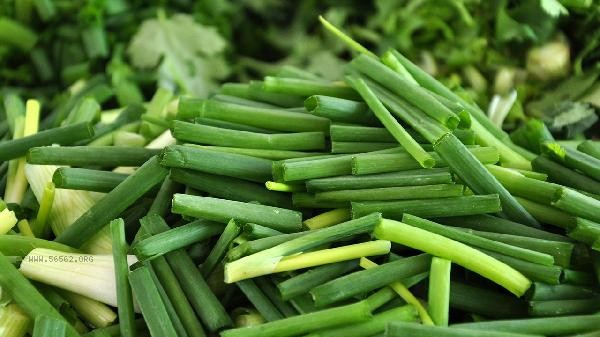
After cleaning, it is recommended to drain the water from the chives before cutting and mixing, as damp environments can easily breed bacteria. Pay attention to keeping the operating table clean during processing, and use raw and cooked food knives separately. Leeks should not be soaked for a long time to avoid the loss of water-soluble vitamins. If the leaves are found to be rotten or insect eaten, the whole plant should be discarded. When choosing, priority should be given to fresh chives with straight stems and leaves and no yellow spots. The correct cleaning method can not only remove agricultural residues but also maximize the retention of nutrients, which is an important part of a healthy diet.








Comments (0)
Leave a Comment
No comments yet
Be the first to share your thoughts!