
The correct method of binding crabs requires ensuring that the crabs are firmly fixed and operated safely. The main steps include fixing the crab claws, wrapping the crab body, knotting and ending the knot, etc.
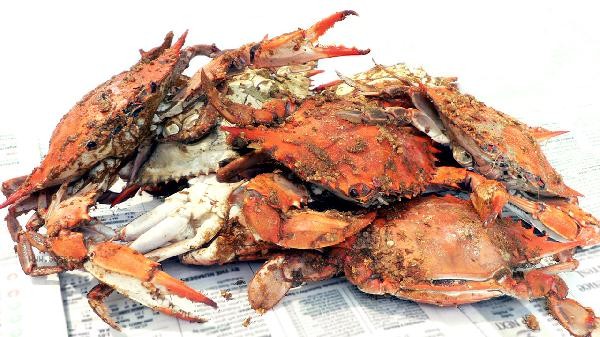
Crabs have strong claws and leg movements, and improper binding may lead to detachment or injury. Prepare a sturdy cotton or grass rope, approximately 50 centimeters in length. Pinch the sides of the crab shell with thick gloves on your left hand and place the crab belly facing upwards. Start wrapping the rope with your right hand from the base of the crab clamp, first fix the clamp horizontally twice, then vertically wrap it three times to cover the crab body, and finally cross the crab back to tie a knot. The knot should be tightly attached to the crab shell to avoid loosening, leaving a 3cm rope end to prevent slipping. After binding, check if all joints are unable to move, but do not compress the crab shell too tightly.
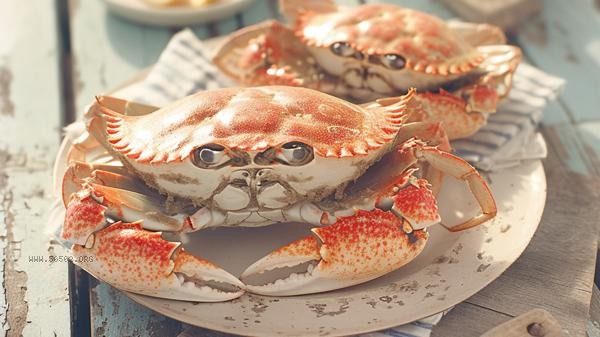
When binding, it is necessary to avoid fragile parts such as the crab navel and eyes, and the movements should quickly reduce crab stress. If the crab is struggling violently, it can be refrigerated for a few minutes to make it quiet. Dead crabs should not be tied up for cooking and must be kept fresh and alive. It is recommended to steam the crab meat as soon as possible after bundling to avoid prolonged confinement that may cause the crab meat to spoil.

When dealing with crabs, it is recommended to wear cut resistant gloves and choose natural material ropes with moderate width. Before steaming, soak the crabs in ice water to reduce their activity, and then check the firmness of the knots after binding. Live crabs should be tied and cooked immediately to avoid binding for more than 2 hours and affecting the meat quality. If you are not proficient in the initial operation, you can ask the seafood vendor to assist in handling it.








Comments (0)
Leave a Comment
No comments yet
Be the first to share your thoughts!