
Milk and rice paste can be consumed together, and the combination can provide high-quality protein and carbohydrates, making it suitable as a complementary food for infants and young children or as a nutritional supplement for adults. Milk is rich in calcium and vitamin D, while rice paste is easy to digest and contains B vitamins. When mixing, attention should be paid to temperature control and proportion adjustment.

When mixing milk and rice paste, it is recommended to first adjust the rice paste to a paste like state with warm water, and then add normal or warm milk when the temperature drops below 60 degrees to avoid high temperatures damaging whey protein and vitamins in the milk. The ratio of rice paste to milk is usually 1:2 to 1:3, and the consistency can be adjusted according to age and digestive capacity. When infants and young children make their first attempt, they should start with a small amount and observe whether lactose intolerance or allergic reactions occur. Adults can add a small amount of honey or fruit puree to increase flavor, but diabetes patients need to control the addition of sugar. In special circumstances, lactose intolerant individuals can use lactose free milk or plant-based milk as a substitute. For those with weaker gastrointestinal function, it is recommended to boil the rice paste until it is softer and more tender. Milk allergy sufferers should avoid this combination and choose to pair deeply hydrolyzed protein formula milk powder with rice paste. The mixed food should be consumed within two hours to avoid microbial growth. The rice paste milk mixture stored in refrigeration should be heated to above 70 degrees Celsius for sterilization before consumption.
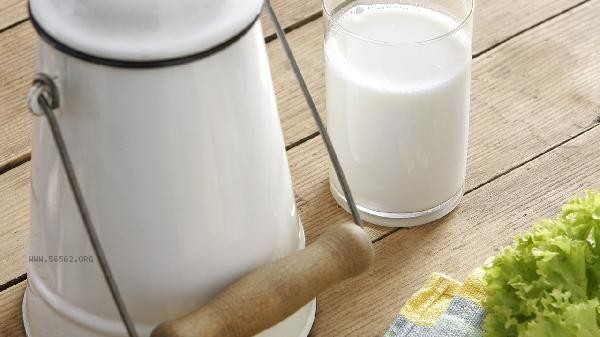
When consuming milk and rice paste in daily life, it can be paired with fresh fruit puree or crushed nuts to enhance its nutritional value, but it is necessary to ensure that the ingredients are fresh and hygienic. Infants and young children should observe their bowel movements after consumption, and adults should pay attention to dietary diversity when consuming for a long time. It is suggested to choose infant Rice noodles fortified with iron and zinc to match with whole milk. Cooking utensils should be strictly sterilized to avoid mixing with metal utensils to prevent nutrition loss. If discomfort symptoms such as bloating or rash occur, stop immediately and consult a doctor.








Comments (0)
Leave a Comment
No comments yet
Be the first to share your thoughts!