
The correct heating methods for milk mainly include water-resistant heating, microwave heating, milk pot heating, constant temperature milk mixer heating, steam heating, etc. Reasonable heating can preserve nutrients and avoid the risk of spoilage.

1. Heat the milk separately.
Pour the milk into a heat-resistant container and place it in a hot water pot. Control the water temperature at 60-70 degrees Celsius and stir continuously to ensure even heating. This method heats up smoothly and can minimize protein denaturation, making it suitable for infants, young children, and people with weak digestive function. Please note that the water level should not exceed two-thirds of the container to avoid contaminating the milk after boiling.
2. Microwave Heating
Use a microwave specific container to hold milk, heat at low to medium power for 30 seconds, then remove and stir, repeat until the appropriate temperature is reached. Microwave heating is fast but prone to local overheating, which may lead to whey protein precipitation. After heating, let it stand for 1 minute before drinking to make the temperature distribution more uniform.
3. Heating of Milk Pot
When heating a stainless steel milk pot directly over low heat, continuous stirring is required to prevent the bottom from sticking. When the temperature reaches 60 degrees Celsius, immediately turn off the heat. This method is suitable for heating a large amount of milk, but high temperatures can easily damage the vitamin B complex. It is recommended to turn off the heat when small bubbles appear at the bottom of the pot and use the remaining temperature to reach the drinking temperature.
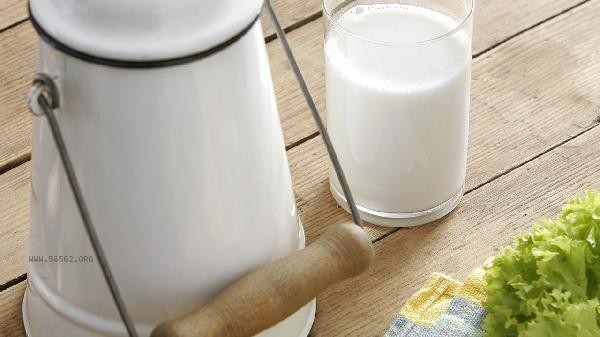
4. Constant temperature milk mixer
The dedicated milk mixer can accurately control at 40-50 degrees Celsius, avoiding nutrient loss caused by repeated heating. Built in temperature sensor and automatic power-off function, especially suitable for nighttime breastfeeding needs. Disinfect the container with boiling water before use to prevent bacterial growth.
5. Steam Heating
The steam bar of a commercial coffee machine can quickly heat milk to 65 degrees Celsius, forming delicate milk foam while retaining calcium. Families can steam on top of a steamer and keep it on high heat for 3 minutes. Steam heating can enhance the aroma of milk fat, but it is important to avoid excessive temperature that can cause protein coagulation.
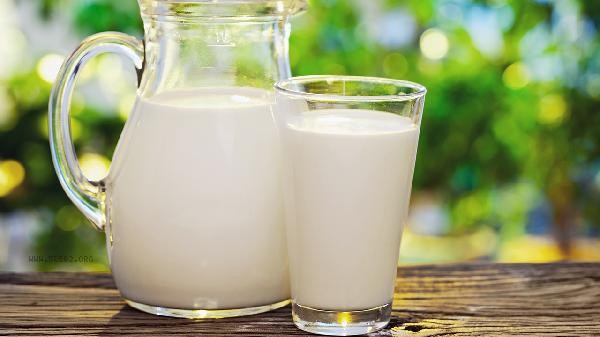
The heated milk should be consumed as soon as possible and left at room temperature for no more than 2 hours. Milk stored in refrigeration should not be heated more than once, as repeated heating can accelerate the oxidation of vitamin C. Choosing pasteurized milk can reduce the risk of microorganisms during the heating process, and heating glass containers is safer than plastic containers. Lactose intolerant individuals can heat milk to around 50 degrees Celsius, which can help improve digestive tolerance. Special groups such as pregnant women and the elderly are recommended to choose low-temperature heating methods that preserve nutrients more completely.








Comments (0)
Leave a Comment
No comments yet
Be the first to share your thoughts!