
The most effective method to remove pesticide residues from chives is to rinse with running water and soak in baking soda. The effectiveness of pesticide residue removal is mainly affected by factors such as cleaning method, soaking time, selection of auxiliary agents, operating techniques, and storage conditions.
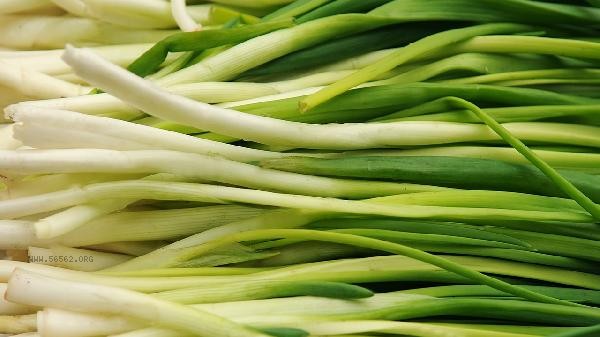
1. Rinse with flowing water
Rinse the surface of chives continuously with flowing water for more than 30 seconds. The impact force of the water flow can effectively remove pesticide particles attached to the folds of the leaves. When rinsing, it is necessary to open the base of the leaves and focus on cleaning, as this area is prone to hiding organic phosphorus pesticides. Be careful not to rub vigorously, which may cause damage to the leaves and instead promote the infiltration of pesticide residues.
2. Baking soda soaking
Add 5 grams of baking soda to clean water to prepare a weak alkaline solution. Soaking chives for 10 minutes can decompose carbamate pesticides. Alkaline environment can cause hydrolysis reactions of some organophosphorus pesticides and also have a certain degradation effect on pyrethroids. After soaking, rinse with running water to avoid alkaline substances affecting the taste.
3. Ozone treatment
Use a household ozone machine to treat for 15 minutes. The strong oxidizing properties of ozone can destroy the molecular structure of organochlorine pesticides. This method has significant effects on persistent pesticides such as endosulfan and DDT, but may accelerate the oxidation and discoloration of vegetables, and should be cooked immediately after treatment. Pay attention to controlling the concentration to avoid producing irritating odors.
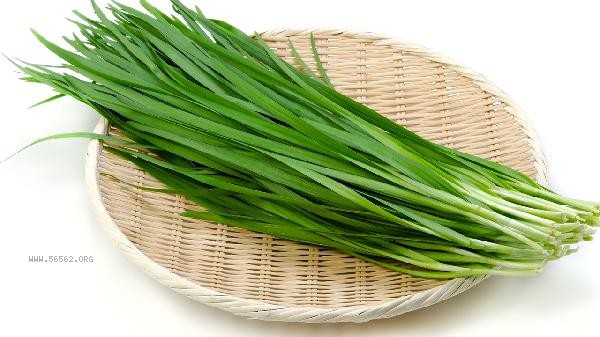
4. High temperature blanching
Quickly blanch chives in boiling water for 10 seconds to decompose some thermally unstable pesticides, such as dichlorvos, which will accelerate degradation above 80 ℃. Immediately supercooling after blanching can maintain color, but water-soluble vitamins may be lost. This method has limited effectiveness on pyrethroids and needs to be used in conjunction with other methods.
5. Peeling treatment
Removing 1 centimeter of the roots and outer layer of old leaves of chives can remove most of the contact pesticide residues. Although the edible portion may decrease, it is the safest method for chives that are heavily contaminated with systemic pesticides. Pay attention to tool cleaning during processing to avoid cross contamination.
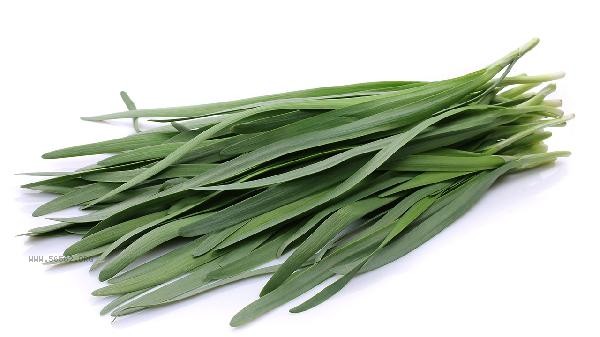
It is recommended to purchase chives from legitimate channels and prioritize products with green food certification. Keep dry and ventilated during storage, and use a combination method to remove pesticide residues before cooking. For sensitive populations such as pregnant women and children, chives can be soaked in clean water to make fillings, and high-temperature steaming can further reduce the risk of residue. Pay attention to dietary diversity in daily life and avoid the accumulation of pesticide residues that may arise from excessive intake of a single vegetable.








Comments (0)
Leave a Comment
No comments yet
Be the first to share your thoughts!