
Rice pest control can be achieved through sealed storage, low-temperature preservation, Sichuan pepper pest control, garlic pest control, regular drying, and other methods.
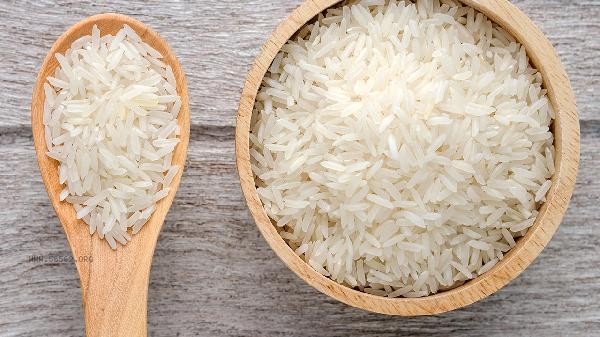
1. Sealed Storage
Rice is packed into food grade sealed containers or thick plastic bags, and the bag mouth is tightly sealed after venting to effectively isolate air and insect eggs from entering. It is recommended to choose storage tanks with silicone sealing rings or use vacuum packaging machines for vacuum treatment. After opening, the rice bag should be promptly transferred to a sealed environment to avoid prolonged exposure to humid air.
2. Low temperature storage
Rice eggs are difficult to hatch in environments below 15 ℃. Sealed rice can be stored in the refrigerator compartment. Low temperature not only inhibits the activity of pests such as rice weevils, but also delays the oxidation of rice fat. Attention should be paid to wrapping the container with cling film during refrigeration to prevent rice from absorbing refrigerator odors. After use, it should be placed back in a low-temperature environment as soon as possible.
III. Sichuan Pepper Insect Repellent
The volatile oil components in Sichuan pepper have a natural repellent effect on rice worms. Wrap 10-15 dried Sichuan peppercorns in gauze and place them in the corners and middle of the rice box. Replace them every 2 months. Sichuan pepper and kelp can also be mixed in a ratio of 1:3 to make insect proof bags. The moisture absorption of kelp can synergistically enhance the moisture-proof and insect proof effect.
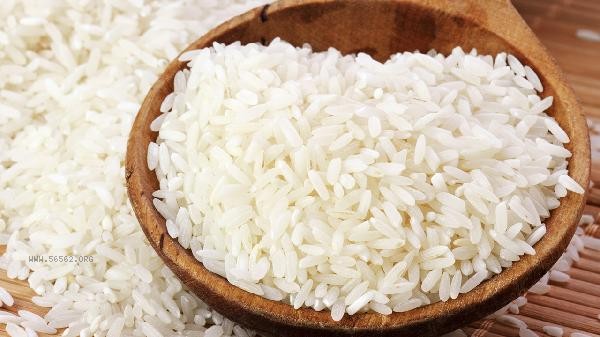
4. Garlic moth prevention
Fresh garlic slices are dispersed and buried in rice, and the pungent odor released by allicin can drive away pests. Use 3-6 cloves of garlic for every 5 kilograms of rice, and replace with new garlic slices every month to prevent mold growth. This method is suitable for short-term storage, but it should be noted that the garlic flavor may slightly penetrate the rice grains. Before cooking, the garlic slices can be removed in advance to ventilate and disperse the flavor.
Fifth, regular drying
In dry and sunny weather, spread the rice thinly on a bamboo mat and dry it for 2-3 hours. Ultraviolet radiation can kill some of the insect eggs. When drying, avoid strong midday light and keep the temperature below 35 ℃ to prevent rice from bursting. After sun drying, wait for the rice to cool completely before sealing, and use insect prevention measures such as Sichuan peppercorns for better results. It is recommended to air dry once a month during the rainy season.
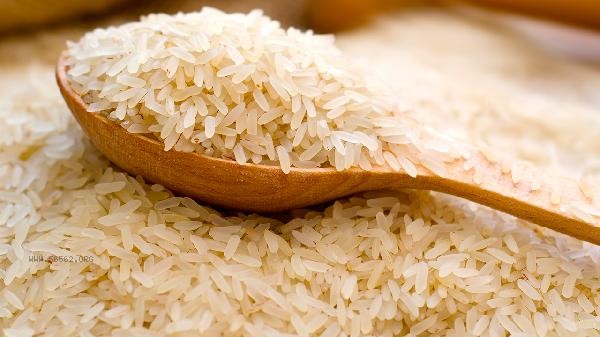
It is recommended to store rice in a cool and dry place for daily use, and avoid mixing it with strong odors such as spices and cleaning agents. When purchasing, prioritize vacuum packaging or small packaging products, and consume them as soon as possible after opening. If a small amount of rice weevils is found, the rice can be frozen at -18 ℃ for 48 hours to eliminate insects. After screening for pests, it can still be consumed. Rice severely damaged by insects or mold should be stopped from consumption, and storage containers should be thoroughly disinfected by boiling water, hot washing, and sun exposure.








Comments (0)
Leave a Comment
No comments yet
Be the first to share your thoughts!