
The best way to preserve blueberries is to refrigerate or freeze them, depending on the storage time and consumption needs. The key to preserving blueberries is to control humidity, avoid squeezing, maintain dryness, isolate oxygen, and prevent mold growth.
1. Refrigerate storage
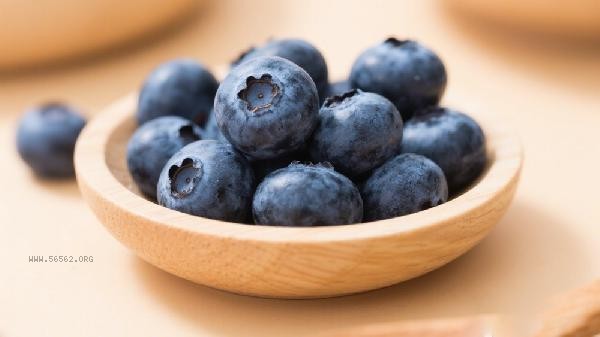
Fresh blueberries are placed in a breathable food box, covered with a layer of kitchen paper to absorb moisture, and the refrigeration temperature is controlled at 0-4 degrees Celsius. Refrigerate and store for 5-7 days. Check and remove soft and rotten fruits daily. Unclean blueberries have better preservation effects. Rinse gently with running water before consumption.
2. Cryopreservation
Spread blueberries flat on a tray and freeze for 2 hours before shaping them. Place them in a sealed bag and squeeze out air for cryopreservation. Frozen blueberries can be stored for 6-8 months and are suitable for making milkshakes or baking. When thawing, place it in the refrigerator and slowly warm it up to avoid damage to the cell wall and loss of juice.
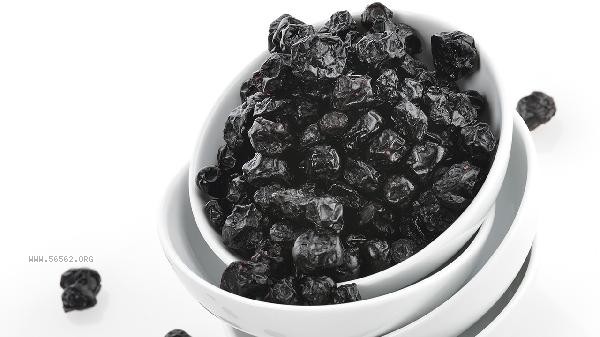
3. Drying Treatment
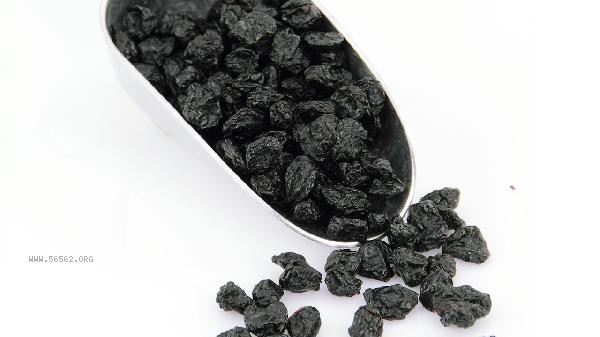
After washing blueberries, they can be dehydrated in a food dryer and dried at 60 degrees Celsius for 6-8 hours to make dried blueberries. Dried blueberries need to be sealed and stored away from light, and adding deoxidizers can extend their shelf life. This method will lose some vitamin C but concentrate the anthocyanin content.
4. Processing and Preservation
Blueberries can be made into fruit sauce or candied fruits to extend their shelf life. When making jam, add no less than 60% sugar and sterilize with boiling water for 20 minutes after bottling. Homemade blueberry sauce can be stored for 3 months in refrigeration, and adding lemon juice helps maintain color and flavor.
5. Vacuum sealing
Use a vacuum machine to remove oxygen from the packaging and store it in refrigeration with a deoxidizer. Vacuum packaged blueberries can extend their shelf life by 2-3 times, but care should be taken to avoid packaging damage. This method is suitable for commercial transportation or large-scale storage.
When storing blueberries, it is important to note that the natural fruit powder on the surface serves as a protective layer, and excessive cleaning can accelerate spoilage. Blueberries of different maturity levels should be stored separately, and moldy fruits must be discarded in whole boxes. It is recommended to follow the principle of first in first out for daily use. Frozen blueberries can be directly added to oatmeal Congee or yogurt for consumption, which can not only retain nutrition but also avoid texture changes caused by thawing. For blueberries stored for a short period of time, they can be separated from apples that have ethylene adsorption function to slow down the ripening process.








Comments (0)
Leave a Comment
No comments yet
Be the first to share your thoughts!