
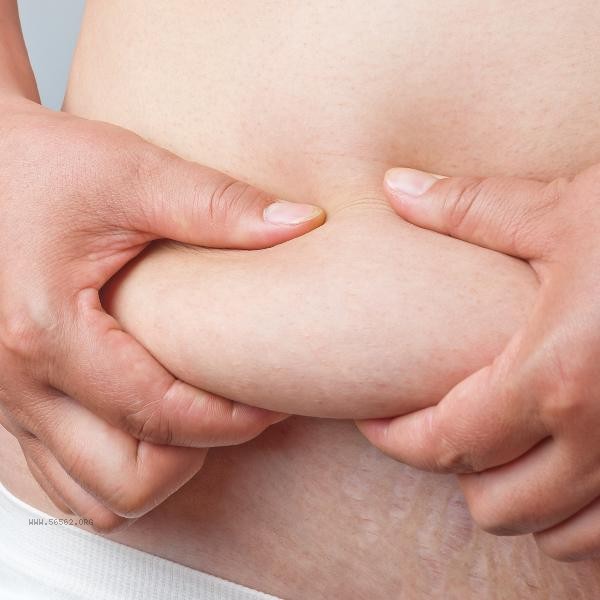
Weight loss can be achieved through adjusting dietary structure, increasing exercise, improving lifestyle habits, psychological intervention, and medical assistance, and appropriate methods should be selected according to individual circumstances.
1. Adjust dietary structure
Reduce intake of refined carbohydrates and saturated fats, and increase the ratio of high-quality protein to dietary fiber. The daily staple food can be replaced with whole grains such as oats and brown rice, paired with non starch vegetables such as broccoli and spinach. Avoid sugary drinks and highly processed foods, and use low oil cooking methods such as steaming and cold mixing. 1-2 deceptive meals can be arranged per week to prevent metabolic adaptation.
2. Increase physical activity
It is recommended to engage in 150 minutes of moderate intensity aerobic exercise per week, such as brisk walking, swimming, or cycling, combined with 2-3 resistance training sessions per week. HIIT interval training has a significant effect on improving basal metabolic rate, but it needs to be conducted after evaluating cardiopulmonary function. Daily non exercise calorie consumption can be increased, such as standing for work, walking for commuting, etc.
3. Improve lifestyle habits
Ensure 7-9 hours of high-quality sleep per day. Lack of sleep can lead to a decrease in leptin secretion. Establish a regular eating schedule and avoid eating at night. Relieve stress through meditation, deep breathing, and other methods. Chronic stress can promote cortisol secretion, leading to central obesity. Smoking cessation and alcohol restriction can improve metabolic function.

4. Psychological intervention
Cognitive behavioral therapy can correct unhealthy eating behaviors such as overeating and establish a weight management diary to record the relationship between diet and emotions. Avoid retaliatory eating caused by extreme dieting and set phased weight loss goals using the SMART principle. Joining a mutual aid group can receive social support.
5. Medical assistance
For individuals with a BMI exceeding 32.5 or concomitant metabolic disorders, medication such as orlistat capsules may be considered for assistance. Metabolic surgeries such as gastric bypass require strict evaluation of indications. Multidisciplinary team management is more suitable for patients with pathological obesity, and regular monitoring of changes in body composition and metabolic indicators is necessary. During weight loss, it is recommended to drink at least 2000 milliliters of water per day and regularly monitor body fat percentage instead of solely focusing on weight. To avoid skin sagging and metabolic disorders caused by rapid weight loss, it is recommended to lose 0.5-1 kg per week. Maintaining a healthy lifestyle in the long term is more important than short-term extreme weight loss. If you encounter a plateau period, you can consult a nutritionist to adjust your plan. Special populations such as pregnant women and adolescents need to undergo weight management under the guidance of professional personnel.









Comments (0)
Leave a Comment
No comments yet
Be the first to share your thoughts!