
Waist weight loss can be achieved through adjusting dietary structure, increasing aerobic exercise, strengthening core training, improving lifestyle habits, and medical intervention if necessary. The accumulation of fat in the waist is usually related to factors such as excess calories, lack of exercise, and hormonal imbalances.
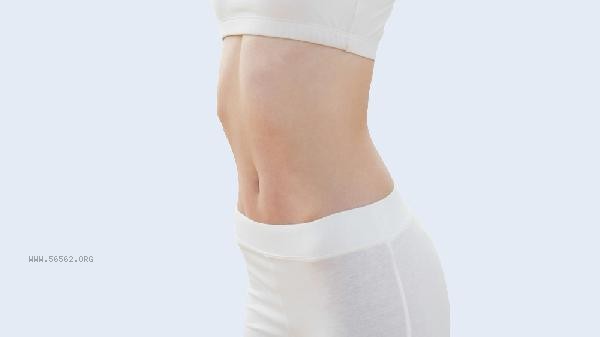
1. Adjust dietary structure
Reduce intake of refined carbohydrates and high sugar foods, and increase the proportion of high-quality protein and dietary fiber. Choose whole grains instead of white rice and flour, and fill the plate with non starch vegetables such as broccoli and spinach. Avoid sugary drinks and alcohol, and drink plenty of water daily. This dietary pattern helps reduce visceral fat accumulation while maintaining basal metabolic rate.
2. Increase aerobic exercise
Engage in aerobic activities such as brisk walking, swimming, or cycling every week. Each session lasts for more than 30 minutes, with the heart rate maintained within the range of 60% -70% of the maximum heart rate. This intensity can effectively mobilize fat supply, especially for the waist and abdomen fat pool. Supplementing protein appropriately after exercise can help with muscle repair.
3. Strengthen core training
Static training such as plank support and dead insect style can enhance the tension of the transverse abdominal muscle. Dynamic movements such as Russian rotations and supine abdominal rolls can carve the lines of the rectus abdominis muscle. Three times a week, 15 minutes of core training combined with aerobic exercise can shape the waist curve. Pay attention to maintaining the correct posture for exerting force and avoid neck compensation.
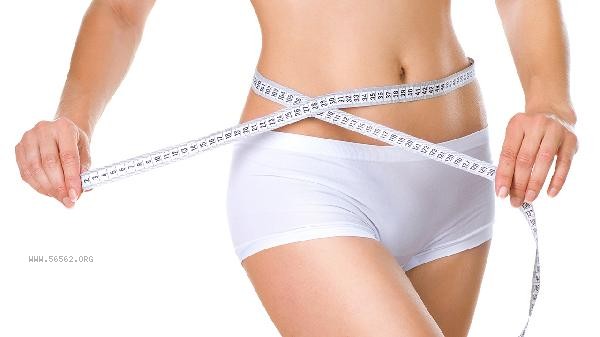
4. Improving lifestyle habits
Ensuring sufficient sleep helps regulate the balance of leptin and ghrelin. Reduce sedentary time and get up and move every hour. Manage stress levels and avoid central obesity caused by elevated cortisol levels. These lifestyle adjustments can optimize fat distribution at the hormone level.
5. Medical intervention
For stubborn lumbar and abdominal obesity, medication such as Orlistat capsules can be considered under the guidance of a doctor. Cryolipolysis and other medical beauty methods can effectively reduce the number of adipocytes. All medical interventions need to be accompanied by lifestyle changes, otherwise there may be a rebound. Reducing waist fat requires a combination of diet, exercise, and lifestyle habits. It is recommended to lose no more than 1% of body weight per week to avoid rapid weight loss and skin sagging. Recording changes in waist circumference is more valuable as a reference than simply weighing oneself. If continuous efforts do not improve, it is recommended to seek medical examination for endocrine disorders such as polycystic ovary syndrome and Cushing's syndrome. Maintain patience, healthy lifestyle changes will have lasting effects.









Comments (0)
Leave a Comment
No comments yet
Be the first to share your thoughts!