
The best storage method for wet peanuts is refrigeration or freezing. Wet peanuts are prone to mold growth. For short-term storage, they can be sealed and refrigerated. For long-term storage, it is recommended to pack them separately and freeze them. There are mainly methods such as sealed refrigeration, packaged freezing, dark drying, vacuum packaging, and regular inspection.
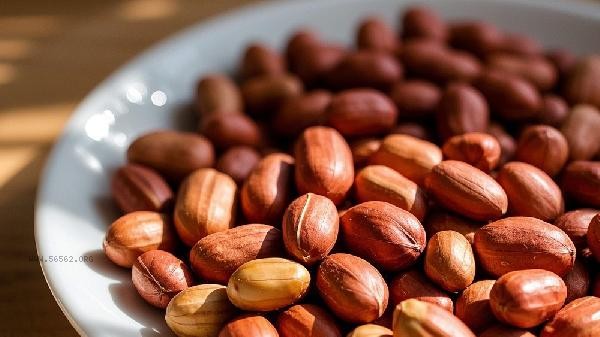
1. Sealed refrigeration
Put wet peanuts into food grade sealed bags or freshness boxes, remove excess air, and place them in the refrigerator compartment. The refrigeration temperature should be controlled at around 4 degrees Celsius to inhibit mold growth, and the storage time is about 3-5 days. Be careful to avoid mixing with other strongly scented foods to prevent cross contamination.
2. Packaging and freezing
Divide the food into sealed bags according to the single consumption amount, squeeze out the air, and place it in the freezer. Peanut can be stored for 2-3 months in a frozen state, and after thawing, it has a slightly soft taste but can still be consumed. Freezing can completely block the risk of mold growth and is suitable for situations that require long-term storage.
3. Avoid light and dry
If you plan to consume it within 1-2 days, you can spread it out to dry the surface moisture and place it in a cool and ventilated place. Avoid direct sunlight that can cause oil oxidation, and cover with gauze to prevent dust. This method is not suitable for use in humid climates.
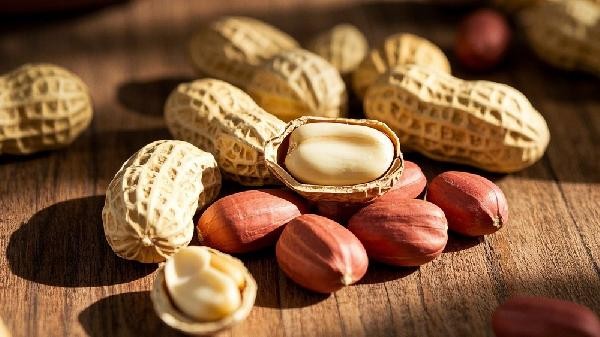
4. Vacuum packaging
Using a vacuum machine to remove oxygen from the packaging can significantly extend the shelf life. Vacuum refrigeration can last for about a week, while vacuum freezing can last for more than six months. Pay attention to checking the packaging for air leakage. If there is swelling in the bag, it should be discarded immediately.
5. Regular Inspection
During storage, it is necessary to regularly observe the condition of the peanuts. If mold spots, crackling smell, or discoloration are found, they should be immediately discarded. Moldy peanuts may produce aflatoxins, which cannot be eliminated by high-temperature cooking, and should not be consumed at risk.
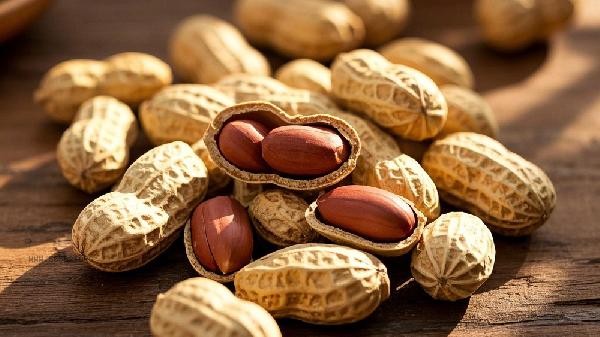
When storing wet peanuts, special attention should be paid to moisture and mold prevention. It is recommended to prioritize frozen storage. Thoroughly clean before consumption and heat thoroughly during cooking. Peanuts contain high-quality protein and healthy fats, but there is a high risk of mold growth, and improper storage may cause gastrointestinal discomfort. It can be eaten with coarse grain Congee or salad in daily life, and sealed in time after each use. People with peanut allergies should avoid contact, and infants and young children should grind it into a paste to prevent coughing.








Comments (0)
Leave a Comment
No comments yet
Be the first to share your thoughts!