
The best storage methods for green tea include sealing and avoiding light, low-temperature drying, keeping away from odors, avoiding squeezing, and regular inspections. The correct storage method can effectively delay the oxidation of tea leaves and maintain their color, aroma, and taste.
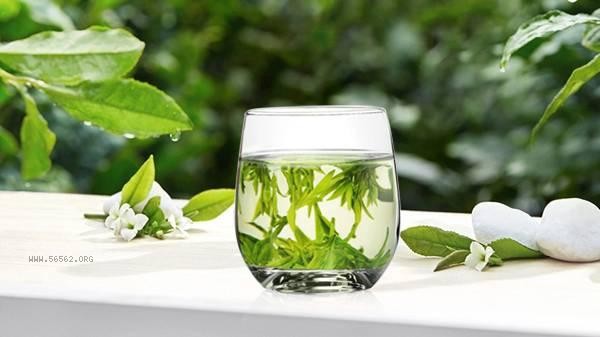
First, seal and avoid light
The tea polyphenols and chlorophyll in green tea are easily decomposed by light, and it is recommended to use opaque tin foil bags or ceramic jars for sealed storage. The container should be completely isolated from air, and the air inside the bag should be expelled and resealed as soon as possible after opening. Long term storage can be vacuum treated, avoiding the use of transparent glass jars or plastic bottles.
2. Low temperature drying
Temperatures exceeding 25 degrees Celsius will accelerate tea aging, and relative humidity above 60% can easily lead to mold growth. Unopened green tea can be refrigerated at around 5 degrees Celsius, while opened tea leaves should be stored in a cool and shady place. When taking from the refrigerator, it should be left at room temperature before opening to prevent condensation from getting damp.
Thirdly, keep away from odors
Tea has strong adsorption properties and needs to be stored separately in a pollution-free storage space. Avoid storing with spices, cosmetics, cleaning agents, and other items. When storing in the refrigerator, use a special sealed box. Purple clay jars and other breathable containers are not suitable for long-term storage of green tea.
Fourth, avoid squeezing [SEP]. The integrity of the shape of famous green tea affects the brewing effect, especially for flat teas such as Longjing and Maofeng. It is recommended to use small capacity packaging for storage, with a stacking height of no more than three layers. Curly tea leaves can retain an appropriate amount of space to maintain their elasticity.
Fifth, Regular Inspection
Check the condition of the tea every two months. Normal green tea should maintain a green or tender yellow color. If there is browning, aged taste or damp clumping, it should be dealt with immediately. If it is slightly damp, it can be dried at low temperature. If the tea leaves become moldy, they must be discarded. Spring tea is recommended to be consumed within 6 months.
Tea packaging boxes can be used for daily consumption, and the tea should be sealed promptly after each collection. Paired with food grade deoxidizers can extend the shelf life, but it should not be in direct contact with tea leaves. Different varieties of green tea should not be mixed, and delicate varieties such as high mountain tea and steamed green tea are recommended to be consumed first. Maintaining a stable storage environment, sudden changes in temperature and humidity can easily lead to deterioration of tea quality. If long-term storage is required for more than one year, it is recommended to choose frozen storage at -18 degrees Celsius, and use it all at once after thawing.








Comments (0)
Leave a Comment
No comments yet
Be the first to share your thoughts!