
Cooked pork is generally stored in refrigeration for no more than 3 days, and frozen storage can be extended to 1 month. There are five main storage methods: sealed refrigeration, packaged freezing, vacuum treatment, low-temperature quick freezing, and adding preservatives.

1. Sealed refrigeration
For the refrigeration of cooked pork, it is necessary to use a fresh-keeping box or food grade sealed bag to completely isolate the air, and the temperature should be controlled at 0-4 degrees Celsius. When storing in the refrigeration layer, avoid mixing with raw food to prevent cross contamination. Short term storage of cooked pork is recommended to be consumed within 24 hours, and when reheating, ensure that the center temperature reaches 75 degrees Celsius or above.
2. Packaged Frozen
Large chunks of cooked pork should be cut into single serving portions and frozen. It is recommended that each portion not exceed 200 grams. Wrap it with aluminum foil or silicone plastic wrap and put it in a special freezing bag. After exhausting the air inside the bag, seal it. The freezing temperature should be kept below -18 degrees Celsius, and after thawing, it should be cooked and consumed within 12 hours.
3. Vacuum Processing
Vacuum packaging can effectively inhibit the reproduction of aerobic bacteria and extend the shelf life to 7 days of refrigeration or 3 months of freezing. The household can use a manual vacuum machine for processing, and pay attention to cooling the cooked pork to below room temperature before packaging. After vacuum packaging, it still needs to be refrigerated or frozen to avoid direct sunlight.

4. Low temperature quick freezing
Commercial quick freezing technology can enable cooked pork to pass through the maximum ice crystal formation zone within 30 minutes, reducing cell structure damage. Families can use a thin and flat placement method to spread cooked pork into 2cm thick slices and place them on a metal tray, then quickly freeze them in the coldest area of the freezer compartment.
5. Adding preservatives
Natural preservatives such as soaking in 1% salt water, applying lemon juice, or blanching Sichuan peppercorns can inhibit microbial growth. Industrial processing will add compliant preservatives such as lactobacillus, and it is not recommended to use chemical preservatives for homemade cooked pork.
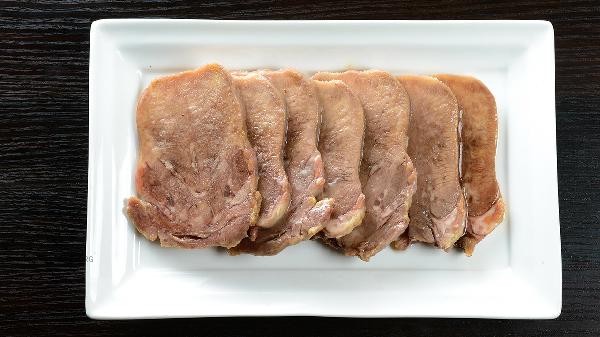
During the storage period of cooked pork, it is necessary to regularly check for any odor or mucus production. It is recommended to label the date when storing frozen pork to avoid exceeding the expiration date. Regardless of the storage method used, it should be fully heated to boiling before being consumed again. Eating fresh vegetables and fruits together can promote protein absorption, and stored cooked pork is not recommended for elderly and young children with weak digestive function. If the color becomes darker or the texture becomes sticky, it should be immediately stopped from consumption.








Comments (0)
Leave a Comment
No comments yet
Be the first to share your thoughts!