
The best way to preserve walnut kernels is to seal and refrigerate or freeze them. There are mainly five methods: sealing and avoiding light, low-temperature storage, drying and moisture-proof, packaging and storage, and regular inspection.
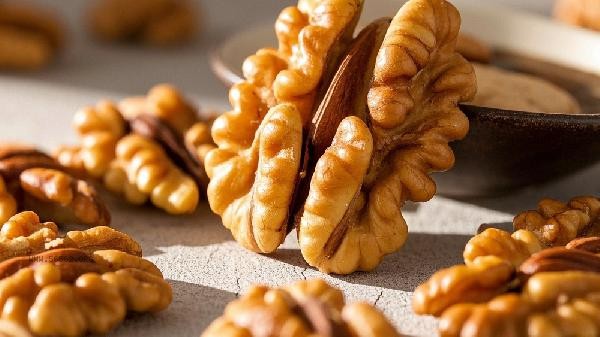
1. Seal and avoid light
Walnut kernels contain a large amount of unsaturated fatty acids, which are prone to oxidation and decay when exposed to air and light. It is recommended to use food grade sealed cans or vacuum bags for packaging, and avoid using transparent containers. For short-term consumption, dark glass jars can be used, and for long-term storage, aluminum foil bags should be used to block ultraviolet rays.
2. Low temperature storage
refrigeration temperature below 4 ℃ can delay oil oxidation, and the shelf life can reach 3-6 months. When frozen storage is required, an environment of -18 ℃ can extend the shelf life to 1 year. Be careful to avoid repeated thawing, and seal and return to place immediately after each use.
III. Drying and Moisture Prevention
Placing food desiccants in sealed containers can absorb moisture and prevent mold growth. In humid areas, it is recommended to first bake in an oven at 60 ℃ for 10 minutes to remove moisture, then cool and seal for storage. Moisturized walnut kernels may have a crackling taste and should not be consumed further.
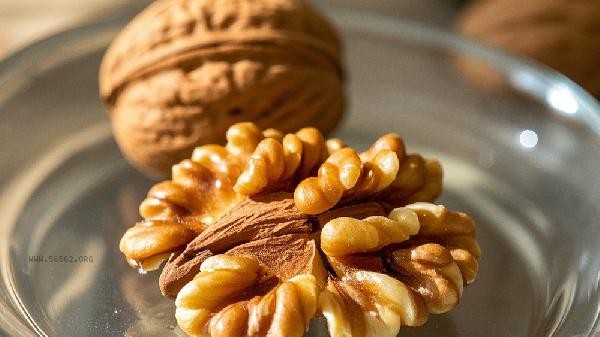
4. Packaging and Preservation
Divide into small portions according to the amount of food consumed, reducing the number of opening times. After each use, the air inside the bag needs to be squeezed out and resealed. Whole walnuts with shells are more durable for storage, and shelled walnut kernels should be consumed first.
Fifth, Regular Inspection
Monthly check for mold spots or oil and wormwood odor, and discard the whole batch of spoiled walnut kernels. Walnut kernels without removing the inner brown seed coat have stronger antioxidant capacity, and this natural protective film can be retained during storage. Walnut kernels are rich in linoleic acid and vitamin E, and proper storage can maximize the retention of nutrients. It is recommended to use dry tableware for daily use to avoid hand moisture contamination. It can be paired with oats, chia seeds, and other healthy snacks, but the recommended daily intake is 20-30 grams. When the color darkens or the taste becomes bitter, it is necessary to stop eating. Moldy walnuts may produce aflatoxins, which cannot be eliminated by high-temperature cooking.








Comments (0)
Leave a Comment
No comments yet
Be the first to share your thoughts!