
The best storage method for soybean sprouts is refrigeration, which can extend the shelf life by 2-3 days. When storing, attention should be paid to three key points: avoiding light, sealing, and controlling water to prevent decay or nutrient loss.

1. Refrigerate
Put the soybean sprouts into a fresh-keeping bag or sealed box, try to exhaust the air inside the bag, and then tighten the bag tightly. A layer of kitchen paper can be placed at the bottom of the container to absorb excess moisture and prevent bean sprouts from spoiling due to moisture. It is recommended to control the refrigeration temperature at around 4 ℃ and avoid mixing with strongly scented food.
2. Light avoidance treatment
Yellow bean sprouts contain chlorophyll, and light exposure accelerates their fibrosis and aging. You can wrap the outer layer of the container with opaque tin foil or store it directly in the concealed compartment of the refrigerator. Storing in the dark can maintain the crispy and tender taste of bean sprouts and delay the oxidation and decomposition of nutrients such as vitamin C.
3. Water Control Techniques
After cleaning, the surface moisture of the soybean sprouts should be thoroughly drained. They can be left to stand for 15 minutes using a filter, and then gently pressed and dried with kitchen paper. During the storage process, check the inner wall of the container daily for condensation and replace the padding paper in a timely manner. Excessive moisture can cause the roots of bean sprouts to become sticky or even moldy.
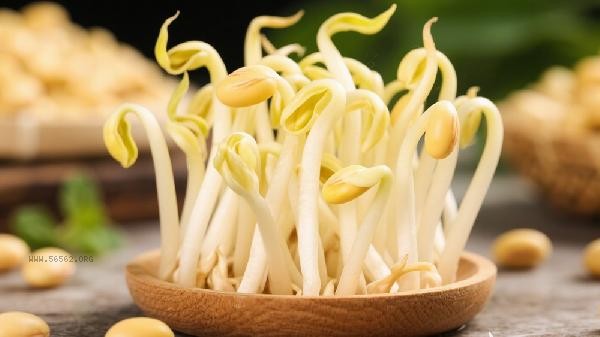
IV. Packaging Suggestions
Large quantities of soybean sprouts should be packaged and stored in single serving quantities to avoid repeated bag opening and exposure to air. It is advisable to consume 200-300 grams per bag, and reseal immediately after use. Packaging can reduce the risk of bacterial cross contamination and maintain the freshness of remaining bean sprouts.
5. Short term preservation
If you need to eat it the next day, soak the soybean sprouts in clean water and refrigerate them. The water surface height should not exceed one-third of the bean sprouts. Adding a small amount of white vinegar or lemon juice to water can inhibit bacterial growth, but the soaking time should not exceed 12 hours, otherwise it will cause cell rupture and affect the taste. Soybean sprouts are rich in water and active enzymes, making them highly susceptible to spoilage at room temperature. After purchase, it should be disposed of and stored as soon as possible to avoid being piled up or sealed for stuffiness. It is recommended to check the condition daily during refrigeration storage. If there is yellowing, softening, or odor, it should be discarded immediately. If long-term storage is required, it can be blanched and frozen, but the taste will become soft after thawing. Rinsing with running water before daily consumption can effectively remove surface bacteria, while cold or quick stir frying is more conducive to retaining nutrients. The vitamin C and dietary fiber produced during germination have a positive effect on promoting digestion and enhancing immunity.








Comments (0)
Leave a Comment
No comments yet
Be the first to share your thoughts!