
The best way to preserve ripe peanuts is to seal and refrigerate or freeze them. Mature peanuts are prone to moisture and spoilage, and improper storage can lead to oil oxidation, mold growth, or poor taste. The main methods include sealing and avoiding light, low-temperature storage, drying and moisture prevention, packaging treatment, and regular inspection.
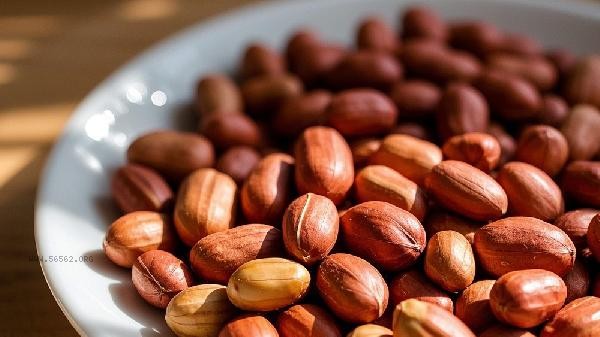
1. Seal and avoid light
Cooked peanuts should be placed in food grade sealed bags or glass jars, and the bag mouth should be tightly sealed after venting the air. Light can accelerate the deterioration of oil and fat. It is recommended to use opaque containers or store them in a dark cabinet. If using a transparent container, it can be wrapped in tin foil or placed in a dark storage box.
2. Low temperature storage
Short term storage can be placed in the refrigerator compartment with a temperature controlled at around 4 ℃, which can maintain the flavor for 1-2 weeks. Long term storage is recommended to be frozen, and can be stored for 3-6 months at minus 18 ℃. Before freezing, ensure that the peanuts are completely cooled to avoid clumping caused by condensation water.
3. Dry and moisture-proof
Food desiccants or uncooked raw rice grains can be placed in the container to absorb moisture. Moist environments can easily cause aflatoxin contamination. If you find fluffy mold spots or a crackling smell on the surface of peanuts, they should be discarded immediately. In humid areas of the south, you can first dry in an oven at 60 ℃ for 10 minutes before sealing.
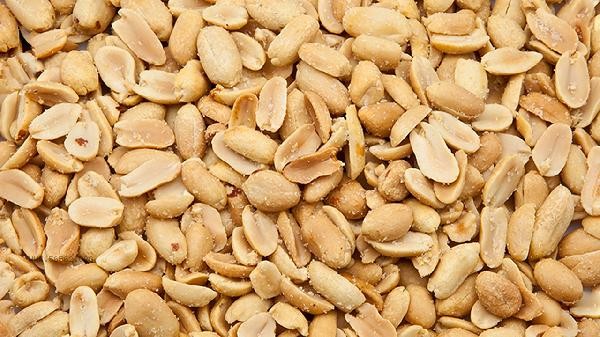
4. Packaging Processing
Large portions of peanuts should be packaged into small portions for storage to avoid repeated thawing. Re seal after each use to reduce exposure to air. Vacuum packaging can extend the shelf life to 1 year, and can be operated with a household vacuum machine.
5. Regular inspection
Check the condition of refrigerated peanuts every month, and it is recommended to replace the fresh-keeping bags for frozen peanuts every 3 months. Rotten peanuts may experience oil leakage, darkening color, or bitterness, and should not be continued to be consumed. Cooked peanuts with shells are more resistant to storage than those without shells, as the shells can block some oxygen and moisture.

During storage, avoid mixing cooked peanuts with strongly scented foods such as seafood and pickled products to prevent cross contamination. Refrigerated peanuts can be consumed directly before consumption, while frozen peanuts need to be thawed at room temperature or in a low heat microwave for 30 seconds. If you want to restore the crispy texture, you can use a flat bottomed pan to bake over low heat or an air fryer to heat at 150 ℃ for 3 minutes. It is recommended to make a small amount of cooked peanuts each time, as fresh consumption has the best nutritional value and taste. Special populations such as infants and pregnant women should ensure that there is no mold before consumption, and those with allergies should carefully control their intake.








Comments (0)
Leave a Comment
No comments yet
Be the first to share your thoughts!