
Tea storage should be kept away from light, moisture, sealed, and free from odors. The best methods include low-temperature storage, tin jar storage, purple clay jar storage, vacuum packaging, and refrigeration in a refrigerator.
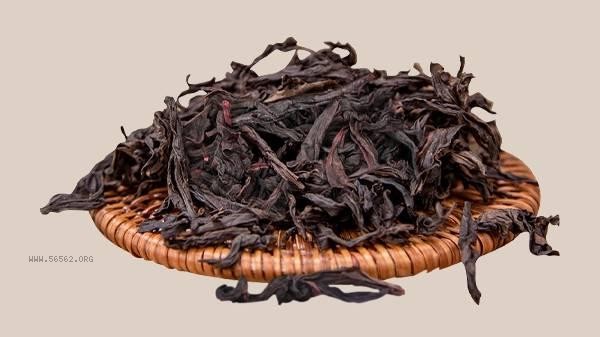
1. Low temperature storage
Tea leaves are prone to oxidation and deterioration at room temperature, and controlling the temperature between 0-5 ℃ can significantly delay quality deterioration. It is recommended to prioritize using this method for temperature sensitive varieties such as green tea and light aroma oolong tea. After taking them out of the refrigerator, they should be allowed to stand at room temperature before opening to avoid the infiltration of condensed water.
2. Tin can storage
Tin material has excellent airtightness and light shielding properties, which can effectively block oxygen and ultraviolet rays. Suitable for storing ripe Pu erh tea, black tea, and other teas that require later conversion. Food grade deoxidizers can be placed in the tank to further reduce oxidation reactions.
III. Storage in Purple Clay Jars
The micro porous structure of purple clay can adjust humidity and maintain moderate breathability, making it particularly suitable for the aging process of white tea and Pu erh raw tea. Before use, it is necessary to use a tea soup container to form a protective layer, and store it away from sources of odors such as the kitchen.
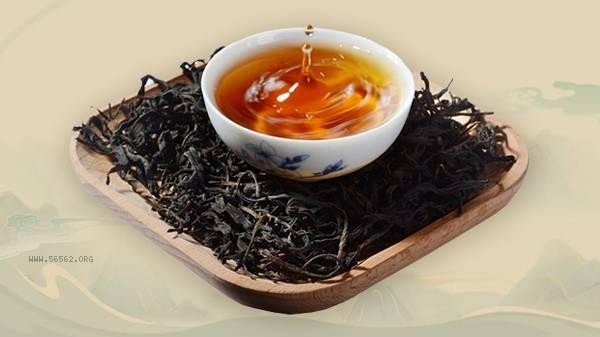
4. Vacuum Packaging
uses aluminum foil composite film to isolate air contact and is suitable for short-term storage of high aroma tea leaves such as Tie Guan Yin and Phoenix Dancong. It should be noted that after vacuum packaging, it is not advisable to frequently open the seal. After each tea is taken, it needs to be vacuum sealed again.
Fifth, Refrigerator Refrigeration
Unopened spring tea and tender bud tea can be refrigerated in food grade sealed bags after removing air, with a temperature set at 3-5 ℃. Before storage, it is necessary to ensure that the moisture content of the tea leaves is below 6%, and to place them separately from other foods to prevent cross contamination. After refrigeration, the tea leaves need to wait for the temperature to return before brewing. Different types of tea have different storage conditions: green tea and yellow tea need to be protected from oxidation, black tea should avoid high temperature and humidity, and black tea needs moderate ventilation. Regardless of the method used, the condition of the tea should be regularly checked, and any moisture or odor found should be promptly addressed. It is recommended to choose inert materials such as ceramics, glass, and food grade stainless steel for tea storage containers. Before using new containers, tea residue should be used to remove impurities. The recommended amount of tea for family storage is 3-6 months of consumption, and it is recommended to pack and reduce the number of opening times for premium tea. Keep the tea storage environment clean and dry, with a relative humidity below 60%, and place a temperature and humidity meter for real-time monitoring.








Comments (0)
Leave a Comment
No comments yet
Be the first to share your thoughts!