
Tea leaves can be dried appropriately after being damp, but should not be directly exposed to sunlight. Moisture in tea leaves may cause mold growth or loss of flavor, and appropriate treatment methods should be selected based on the degree of moisture and the type of tea leaves. Tea leaves with less moisture can be placed in a cool and ventilated place to dry naturally, avoiding direct sunlight. Unfermented teas such as green tea and white tea are sensitive to humidity and should be wrapped in cotton cloth and slowly dehydrated in a dry environment. Fermented teas such as oolong tea and black tea have strong moisture resistance, and can be disassembled and spread flat on a bamboo sieve to dry in the dark. Regardless of the type of tea, it should be flipped every hour during the drying process to ensure even evaporation of moisture. When using dehumidifiers or desiccants to assist in moisture removal, the temperature should be controlled below 40 degrees Celsius to avoid high temperatures damaging polyphenolic substances in tea leaves. If the tea leaves have obvious clumping, white mold or odor, it indicates severe mold growth and should not be continued to be consumed. Pu erh and other compressed teas are prone to the growth of Aspergillus flavus when exposed to moisture, and even direct sunlight cannot eliminate the toxins. Some lightly damp black teas can be roasted at low temperatures to restore their aroma, but professional equipment is required for operation. When processing at home, an odorless rice cooker can be used to turn on the insulation mode for indirect drying, with a duration of no more than 20 minutes. Regardless of the method used, the processed tea leaves should be sealed and stored away from light, and consumed as soon as possible.
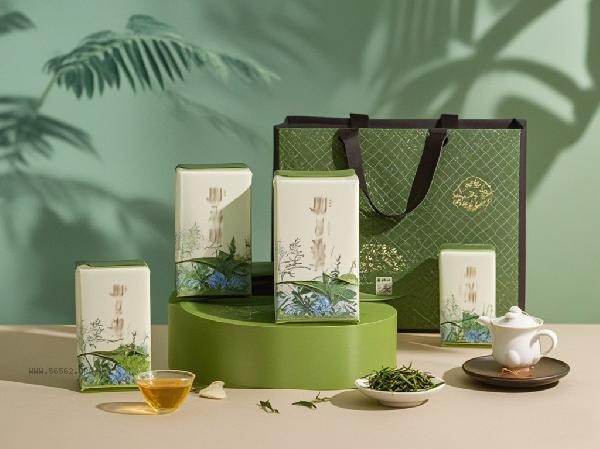
It is recommended to use tin cans or purple clay cans for daily tea storage, with food grade deoxidizers inside and kept away from damp environments such as kitchens and bathrooms. Different types of tea should be stored separately to avoid cross flavors. Regularly check the condition of tea leaves and promptly deal with any dampness found. Before drinking, observe whether the color of the dried tea is uniform. If the tea soup becomes cloudy or has suspended solids after brewing, it may have deteriorated. Reasonably stored tea not only maintains its flavor, but also allows active ingredients such as tea polyphenols to be better absorbed by the human body.








Comments (0)
Leave a Comment
No comments yet
Be the first to share your thoughts!