
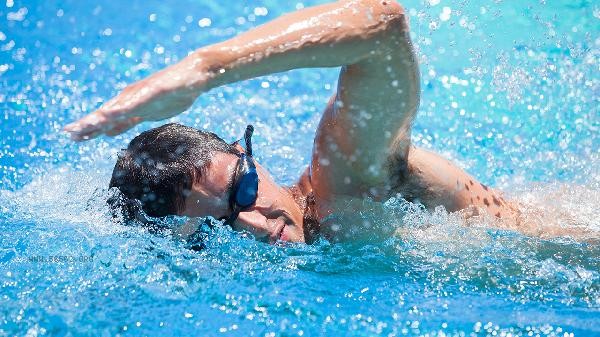
The effectiveness of swimming and running for weight loss varies from person to person. People with good cardiovascular function and healthy joints are suitable for running, while those with sensitive joints or a large body weight are more suitable for swimming. Swimming, as a systemic aerobic exercise, can mobilize the core muscle group and coordinate the strength of the limbs. The buoyancy of water can reduce joint burden, making it suitable for people who are overweight or have joint problems. The characteristic of water temperature being lower than body temperature will encourage the body to burn more calories to maintain a constant temperature, but it is easy to feel hungry after exercise and dietary control should be paid attention to. Running has a significant effect on improving cardiovascular function and lower limb muscle endurance, with slightly higher calorie consumption per hour than swimming of the same intensity. However, it has a greater impact on the knee and ankle joints, requiring professional running shoes and choosing a plastic track. Both types of exercise require maintaining an intensity of 3-5 times a week for at least 30 minutes each time to effectively burn fat. Swimming may cause muscle tension due to water temperature stimulation, and warm-up exercises should be done to avoid cramps. Indoor pool disinfectants may irritate the respiratory tract. Running poses a risk of sports injuries, including patellar chondromalacia and plantar fasciitis. Those who weigh over 20% of the standard value should choose carefully. Both types of exercise can lead to overeating after exercise, and it is recommended to combine a high protein diet and strength training to increase basal metabolic rate.

It is recommended to choose the exercise mode based on body fat percentage and fitness test results, and alternate between two types of exercise to avoid plateau periods. Perform dynamic and static stretching before and after exercise, and wear a heart rate monitoring device to control the heart rate within the range of 60% -80% of the maximum heart rate during exercise. After weight loss, the exercise plan should be adjusted in a timely manner, and if necessary, a professional exercise rehabilitation specialist should be consulted to develop a personalized plan.









Comments (0)
Leave a Comment
No comments yet
Be the first to share your thoughts!