
The weight loss effects of swimming and running vary from person to person. Those with better cardiovascular function have higher fat burning efficiency when running, while those with sensitive joints or a larger body weight base are safer when swimming. There are significant differences between the two movements in terms of energy consumption, joint pressure, and applicable scenarios.

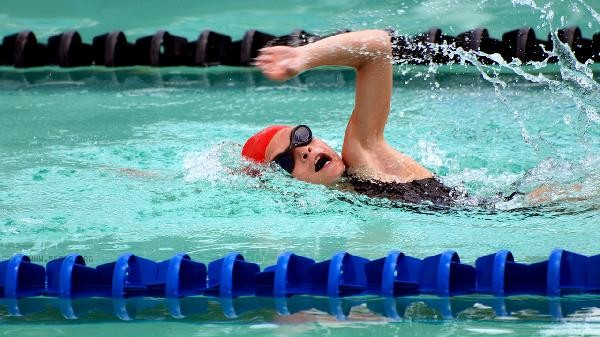
Running consumes more calories per unit time, with an additional 100-200 kcal per hour at the same intensity, mainly relying on the continuous work of lower limb muscle groups to produce a calorie deficit. People with moderate body weight can activate afterburning effects through methods such as variable speed running and interval running, and maintain high metabolic levels 12-24 hours after exercise. However, long-term running on hard roads may cause sports injuries such as knee synovitis and plantar fasciitis. Those with a BMI exceeding 28 or a history of meniscus injury should choose carefully. Swimming achieves full body muscle coordination through the resistance of water, with breaststroke consuming approximately 500-600 calories per hour and freestyle reaching over 700 calories per hour. The buoyancy of water can reduce joint load by 90%, especially suitable for people with lumbar disc herniation or postpartum recovery. However, swimming in low temperature environments may stimulate the appetite center, and some people are prone to compensatory eating after exercise. Indoor swimming pool chlorine preparations may induce asthma attacks, and it is recommended that allergic individuals choose ozone disinfection venues.
Weight management requires a combination of exercise preferences and physical conditions to develop a plan. In the initial stage, you can try alternating between treadmill slope walking and swimming, gradually transitioning to high-intensity interval training. It is recommended to maintain 4-5 aerobic exercises per week, each lasting 30-45 minutes, and monitor changes in muscle fat ratio with a body fat scale. Timely supplement electrolytes and high-quality protein after exercise to avoid a decrease in basal metabolic rate caused by a large energy gap.









Comments (0)
Leave a Comment
No comments yet
Be the first to share your thoughts!