
The main home storage methods for walnuts include sealed refrigeration, drying and avoiding light, shell removal and packaging, frozen storage, and regular inspection.
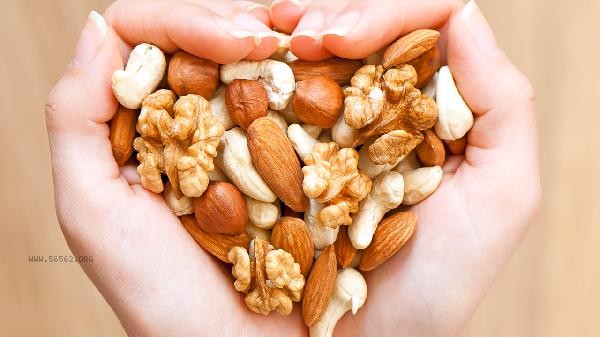
1. Sealed refrigeration
Put the unshelled walnuts into a food grade sealed bag or can, exhaust the air, and place them in the refrigerator compartment. Low temperature environment can effectively delay oil oxidation and maintain the crispy taste of walnuts. It is recommended to control the refrigeration temperature at 0-5 degrees Celsius. Be careful to avoid mixing with strongly scented food to prevent cross flavors from affecting the flavor.
2. Dry and dark
Choose a cool and dry storage cabinet to store walnuts, with an ambient humidity below 60%. Moisture proofing agents or food desiccants can be used to assist in moisture absorption, while avoiding direct sunlight. Hanging walnuts with shells in breathable mesh bags is better for storage. This method is suitable for short-term preservation and should be consumed within 2-3 months.
3. Shell removal and packaging
Shell removal walnut kernels should be packaged into small sealed bags according to the amount consumed each time, reducing the number of bag openings. Walnut kernels are prone to producing a crackling taste when exposed to air. Vacuuming or filling them with nitrogen after packaging can extend their shelf life. If the color of Renyi becomes darker or oil stains appear, it should be discarded immediately.
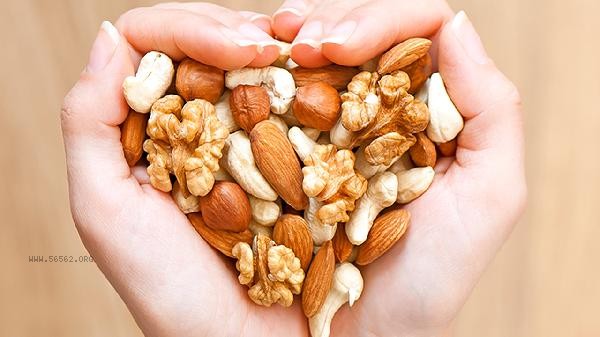
4. Cryopreservation
Long term storage can freeze walnut kernels, which can be stored for about 1 year at -18 degrees Celsius. Before consumption, it is necessary to remove and thaw at room temperature in advance to avoid repeated freezing and thawing. Freezing will make walnut texture slightly soft, which is more suitable for baking or cooking Congee and other processing and eating methods.
5. Regular inspection
Check the stored walnuts monthly for insect infestation, mold, or odor. Walnuts that have become damp can be spread out and dried, or baked in an oven at 50 degrees Celsius for 10 minutes to remove moisture. If there are black spots on the outer shell or sticky meat, it indicates that it has spoiled and is not edible. Walnuts are rich in unsaturated fatty acids, and improper storage can lead to nutrient loss. It is recommended to choose seasonal new products when purchasing, as walnuts with shells are more durable than walnut kernels. Daily use follows the principle of first in, first out, and should be consumed within one month after opening. It can be paired with oats, yogurt and other ingredients to make a nutritious breakfast, or baked at low temperatures as a healthy snack, but the daily intake should be controlled at 20-30 grams to avoid excessive consumption and gastrointestinal discomfort. Special populations such as pregnant women and infants are advised to consult a nutritionist before consumption.








Comments (0)
Leave a Comment
No comments yet
Be the first to share your thoughts!