
Improper storage of household rice can easily lead to mold or insect infestation. The correct storage methods mainly include sealing and avoiding light, low-temperature drying, regular inspection, packaging and preservation, and isolating odors.
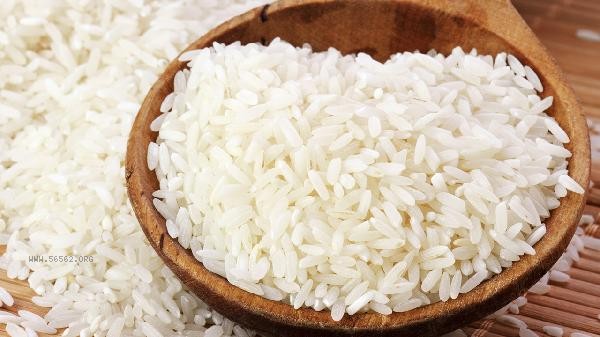
1. Seal and avoid light
Rice exposed to air and light will accelerate oxidation. It is recommended to use food grade sealed cans or vacuum bags for storage. Sealed containers can isolate oxygen and moisture, and light avoidance treatment can prevent fat decomposition from producing a crackling odor. Glass jars need to be used with shading cloth to avoid direct sunlight and temperature rise.
2. Low temperature drying
Place the rice in a cool and ventilated place, with the environmental humidity controlled below 60%. In summer, it can be stored in the refrigerator compartment, as low temperatures can inhibit the hatching of rice worms. Do not store it near the stove or balcony in areas with large temperature and humidity fluctuations, as temperature differences can easily condense water vapor.
III. Regular Inspection
Check the condition of the rice every month by opening the box. If lumps, discoloration, or insect eggs are found, they should be dealt with immediately. When moldy rice produces aflatoxin and green mold spots are visible to the naked eye, the entire bag should be discarded. A small amount of rice worms can be sieved after being exposed to sunlight, and it is not recommended to continue consuming them if they are severely damaged by insects.
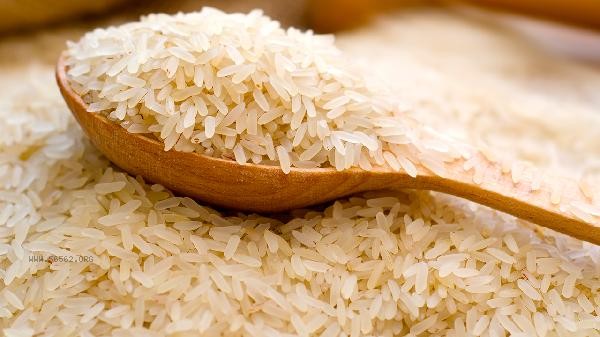
4. Packaging and Storage
Large packaged rice should be divided into small portions for 1-2 weeks to reduce the number of times it needs to be opened. The use of small rice boxes with scales allows for precise access, avoiding repeated opening and closing of the main storage container. After packaging, retain the original production date label to ensure the first in, first out principle.
Fifth, isolate odors
Rice has strong adsorption properties and should be kept away from odor sources such as oil fumes and detergents. Can be stored together with natural insect repellent spices such as Sichuan pepper and cinnamon, but direct contact with chemical insect repellents such as camphor balls is prohibited. It is recommended to let the newly purchased rice stand for 48 hours before unpacking to dissipate any odors absorbed during transportation.
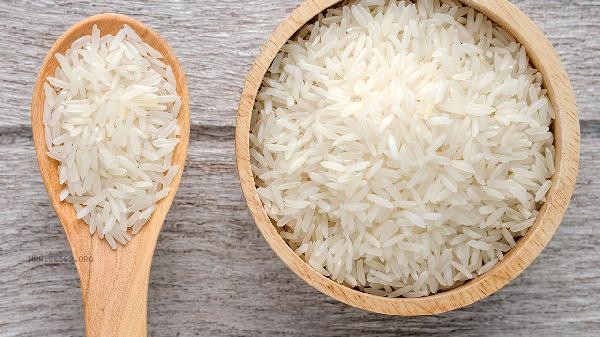
For daily storage, dry seaweed or food desiccants can be added to rice to absorb moisture. It is recommended to consume within 3 months after opening. Whole grains such as brown rice are more prone to spoilage due to the presence of germ, so they need to be refrigerated and used up within one month. If you find that the rice tastes sticky or has a strange odor after cooking, you should stop eating it immediately. Regularly clean the inner and outer walls of the rice box to prevent the growth of bacteria from aged rice residues. The storage container should be disinfected by exposure to sunlight once every quarter.








Comments (0)
Leave a Comment
No comments yet
Be the first to share your thoughts!