
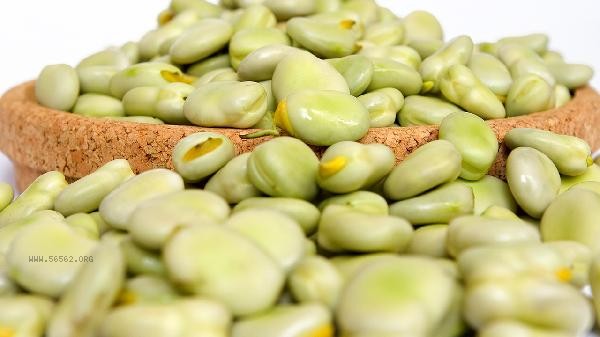
Boiled edamame can be refrigerated or frozen for storage, with specific methods including sealed refrigeration, packaged freezing, vacuum preservation, salt preservation, and water-resistant cooling. If cooked edamame is not stored properly, it is easy to spoil. It is necessary to choose the appropriate method according to the consumption plan.

1. Sealed refrigeration
Drain the cooked edamame and place it in a sealed container. Refrigerate for 2-3 days. It is recommended to keep the outer shell of the edamame pods during refrigeration to better maintain moisture and taste. If stored in shell, it should be consumed within 24 hours. The refrigeration temperature should be controlled between 0-4 degrees Celsius to avoid mixing with other strongly scented foods.
2. Packaging and freezing
Packaging and freezing according to a single serving amount into food bags, vacuuming and freezing, can be stored for 1-2 months. Before freezing, the edamame should be spread out and pre cooled to below room temperature to prevent frosting. There is no need to thaw before consumption, simply blanch in boiling water for 1 minute to restore the taste. Frozen edamame is suitable for stir frying or boiling soup, but repeated thawing can affect its quality.
3. Vacuum preservation
Using a vacuum machine to remove air from the packaging bag and seal it can extend the shelf life to 5-7 days. A vacuum environment can inhibit bacterial growth and maintain the emerald green color of edamame. Suitable for short-term storage of shelled edamame, it should be consumed as soon as possible after opening. Vacuum packaged edamame can be directly consumed as cold dishes after refrigeration.
4. Salt preservation
Add 3% salt to the water used to cook edamame, cool it down, and refrigerate the soup for 4-5 days. Salt can penetrate the pods to form a protective layer, but it will slightly increase the sodium content. Rinse with clean water before consumption, suitable for dishes that require salty and savory flavors. The edamame stored in this method should not be reheated, and it is recommended to eat it cold.
5. Water cooling
After cooking, quickly cool with ice water to lock in chlorophyll and prevent it from turning yellow. After rapid cooling, draining and storing the edamame can increase its shelf life by 1-2 days when refrigerated. This method is suitable for preparing banquet dishes that require maintaining a bright color, but it is important to note that ice water should be prepared with cold boiled water to avoid contamination.
When storing cooked edamame, attention should be paid to cleaning and disinfecting the container, and regular checks should be conducted for the production of mucus or odors. It is recommended to process in batches according to the amount consumed to avoid repeated heating that may affect nutrition. Frozen edamame may experience partial loss of vitamin C, and can be consumed with ingredients rich in vitamin C such as colored peppers. Regardless of the storage method used, it should be fully heated to a center temperature exceeding 70 degrees Celsius before consumption to ensure safety.








Comments (0)
Leave a Comment
No comments yet
Be the first to share your thoughts!