
Stainless steel pots for cooking rice can be solved by adjusting the water volume, controlling the heat, soaking the rice, using cooking oil, and cleaning correctly.
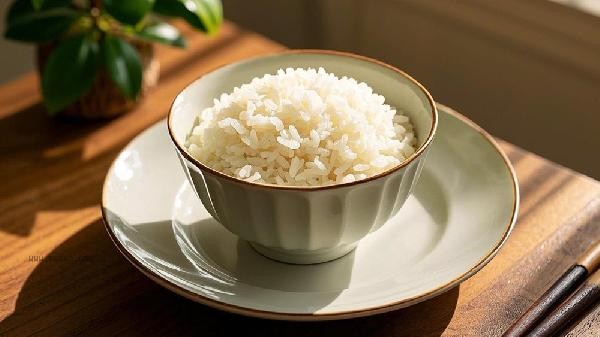
1. Adjust the water volume
When cooking rice, too much or too little water can cause the pot to stick. Excessive water will make the rice too soft and rotten, increasing the contact area with the bottom of the pot; If the water volume is too low, it is easy to get stuck at the bottom. It is recommended to control the ratio of rice to water between 1:1.2 and 1:1.5, and the specific ratio can be adjusted according to the variety and taste requirements of the rice. The moisture content of new rice is relatively high, and the water content can be appropriately reduced; Chen Mi needs a little more water.
2. Control the heat
Excessive heat is a common cause of sticking to the pot. After boiling, immediately reduce the heat and simmer slowly to avoid rapid evaporation of water due to sustained high temperatures. It is recommended to use medium to low firepower for electric ceramic stoves or induction cookers, and keep the flame of the gas stove within the range of the pot bottom. Do not frequently open the lid during the cooking process to avoid sudden temperature changes that may affect the rice's shape.
3. Soak rice
Soak the rice for 20-30 minutes before cooking to allow the rice grains to fully absorb water and expand. After soaking, the rice is heated more evenly, which can reduce local gelatinization phenomenon. In summer, it can be soaked in cold water, and in winter, it is recommended to use warm water to shorten the time. Pay attention to draining the water after soaking, and then add water in proportion to cook.
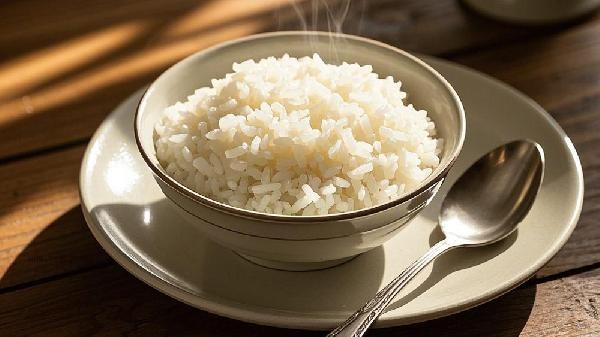
4. Apply a small amount of cooking oil evenly on the bottom of the pot before cooking, which can effectively reduce the probability of sticking to the pot. It is recommended to choose high smoke point vegetable oils such as peanut oil or rice oil, with a dosage of about 1-2 milliliters. You can also add a few drops of oil to the rice water to make the rice grains distinct. Be careful to avoid using animal oils such as butter, as high temperatures can easily produce a burnt smell.
5. Proper cleaning of
cookware surface scratches or residues can exacerbate sticking to the pot. Clean with a soft cloth after each use to avoid scratching the pot body with steel wire balls. Stubborn stains can be gently wiped after soaking in baking soda solution. If an oxide layer appears after long-term use, it can be restored to a smooth finish by boiling white vinegar and rinsing. Keep the pot dry during storage to prevent the deposition of scale.
In addition to the above methods, choosing a thick bottomed stainless steel pot can achieve better uniform heat conduction, and using a wooden spatula when cooking can reduce scratching of the pot body. After the rice is finished, turn off the power in a timely manner and let it simmer for 5 minutes, using the remaining temperature to form a uniform crust at the bottom. If it has already stuck to the pot, soak it in water and heat it over low heat to soften the coke layer. Do not scratch it with force. Pay attention to the maintenance of cookware in daily life and regularly use citric acid to remove scale, which can significantly improve the anti sticking effect. For stubborn sticking problems, professional stainless steel cookware cleaners can be considered for treatment.








Comments (0)
Leave a Comment
No comments yet
Be the first to share your thoughts!