
Moisture in beans can be solved by methods such as air drying, low-temperature drying, sealed storage, food desiccant assistance, and timely packaging. Damp beans are prone to mold and need to be treated as soon as possible to avoid nutrient loss and food risks.
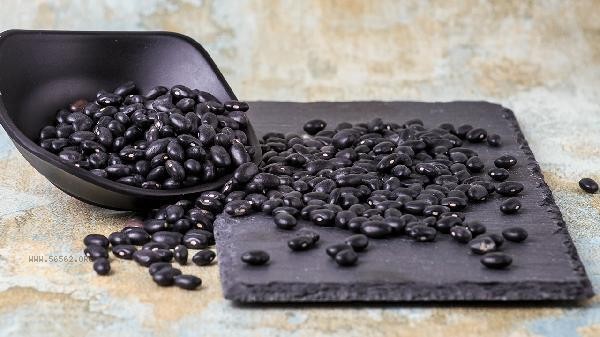
1. Air dry
Spread damp beans flat on a clean container or bamboo mat, and place them in a ventilated and dry place to air dry naturally. When exposed to direct sunlight, avoid cracking the soybean skin. On rainy days, an electric fan can be used to assist in accelerating water evaporation. This method is suitable for environments with low humidity, and the processed beans need to be cooled to room temperature before being sealed.
2. Low temperature drying
Use an oven to bake at 50-60 ℃ for 20-30 minutes, flipping it halfway to ensure even heating. Intermittent high heat heating in the microwave for 1 minute each time, repeating until the beans regain their crispness. Be aware that high temperatures can cause protein denaturation. After drying, let it stand to dissipate heat and prevent moisture regain.
3. Sealed storage
Processed beans should be placed in food grade sealed cans or vacuum bags with built-in deoxidizers to extend shelf life. Glass containers are superior to plastic materials, and ensure that the inner walls of the container are dry before storage. When the environmental humidity exceeds 60%, a dehumidifier can be used to reduce the humidity in the storage space.
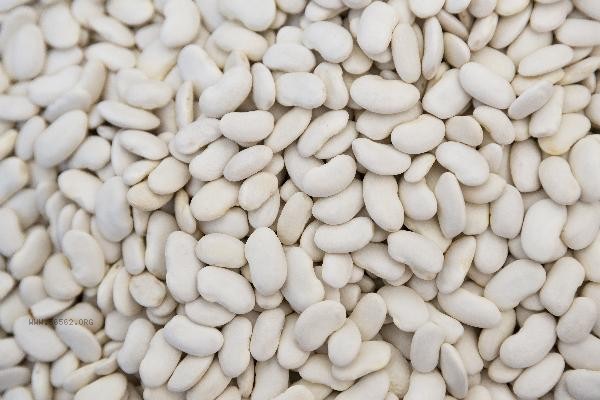
4. Desiccant Assistance
Place quicklime bags, silica gel desiccants, or food grade deoxidizers in the storage container, with a dosage ratio of 1:100. The desiccant needs to be replaced regularly to avoid direct contact with the beans. This method is particularly suitable for use during the rainy season or in high humidity coastal areas.
5. Timely packaging
After opening the large packaging beans, they should be divided into small portions according to the weekly dosage to reduce the invasion of moisture caused by repeated opening and closing. Use a storage box with a locking function, and immediately fasten the seal tightly after each use. Beans that are not consumed in the short term can be frozen and stored, but it should be noted that the taste of frozen beans may slightly change after thawing.
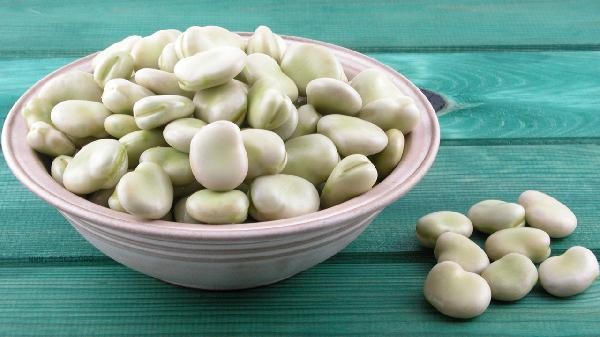
It is recommended to choose a cool and dark environment for daily storage of beans, and regularly check the inventory status. Sprouted or moldy beans must be discarded, as the aflatoxin produced by mold is heat-resistant and harmful to health. Paired with a hygrometer to monitor the storage environment, beans that have been stored for a long time can be blanched in boiling water and then dried to effectively inactivate insect eggs and extend their shelf life. Adequate soaking and high-temperature cooking before cooking can further reduce the risk of residue.








Comments (0)
Leave a Comment
No comments yet
Be the first to share your thoughts!