
Pork greasiness can be improved by blanching to remove fat, pairing with greasiness relieving ingredients, adjusting cooking methods, controlling consumption, and selecting lean meat parts.
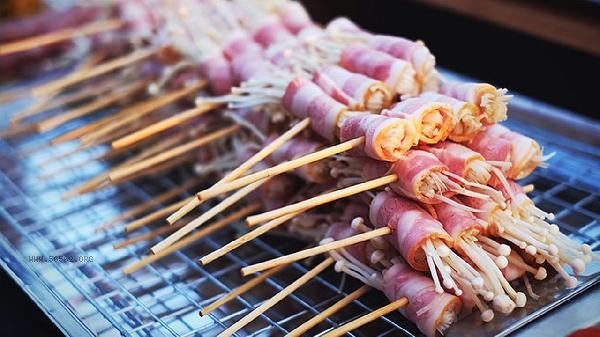
1. Blanch to remove fat
Boil the sliced pork in cold water, skim off the foam, and then remove and rinse. Blanching can effectively dissolve some fat and reduce the greasy feeling of finished dishes, especially suitable for braised and stewed dishes. Adding ginger slices or cooking wine during blanching can further remove fishy smell and enhance aroma.
2. When cooking, add ingredients rich in dietary fiber such as white radish, hawthorn, and lotus root to help absorb oil and promote digestion. Acidic seasonings such as vinegar and lemon juice can also neutralize greasiness, for example, sweet and sour pork tenderloin balances the richness of pork through its sweet and sour taste.
3. Adjust the cooking method
Use low oil cooking methods such as steaming and blanching, or use an oven to bake and let the oil naturally drip. When stir frying, control the amount of oil and use a non stick pan to reduce additional oil consumption. Low temperature slow stewing can make fat more evenly distributed and improve the problem of greasy taste.
4. Control Consumption
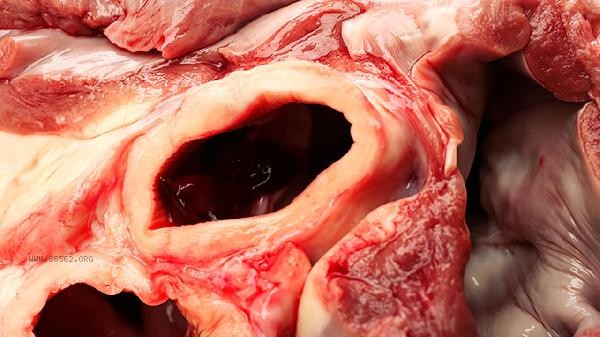
It is recommended to limit the daily intake of pork for adults to less than 100 grams and prioritize lunch consumption. Pairing sufficient vegetables and coarse grains can not only increase satiety, but also help metabolize fat through dietary fiber. Avoid consuming pork products for multiple consecutive meals.
5. Choose lean meat parts
Lean meat parts such as tenderloin and hind leg have lower fat content. When purchasing, observe the texture of the meat and choose areas with evenly distributed white fat. Although pork belly has fat, its texture is clear, making it suitable for slicing and boiling hot pot to reduce greasiness.
It is recommended to alternate the consumption of pork with high-quality protein such as soy products and fish in daily diet, and remove visible fat layers before cooking. Paired with anti greasy drinks such as Pu erh tea and barley tea, exercise moderately after meals to promote digestion. Long term excessive intake of greasy foods may increase the burden on the gastrointestinal tract. It is recommended to maintain a diversified diet and mix various nutrients reasonably. Special populations such as patients with high blood lipids should strictly control their intake of fatty meat and consult a nutritionist if necessary to develop personalized diets.








Comments (0)
Leave a Comment
No comments yet
Be the first to share your thoughts!